Juggling with aniridia

Harry, who has aniridia, has learned to juggle. We recorded the two videos below, one year apart, of him showing off his skills. He’s pretty good.

Harry’s acuity is 6/36 which is near the top of the range reported by people with aniridia. So this video shows what people with aniridia can be capable of.

What other things can you (or your child) do which people might not expect of someone with a visual impairment? Post in the comments below or write a blog post to tell your story.

Posted in Patients' tales | Tagged | Leave a comment

Knighthood for member of our medical panel

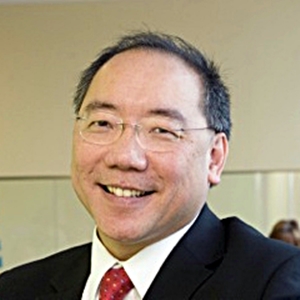
Professor Peng KhawProfessor Peng Tee Khaw, a who sits on the Aniridia Network UK medical panel, was awarded a knighthood in the Queen’s 2013 Birthday Honours. The consultant ophthalmic surgeon received the honour  for services to ophthalmology.

At the Aniridia Network UK (ANUK) Conference 2013 we announced that ten top experts in the UK have agreed to help us understand the: causes, symptoms, assessment, prognosis and treatment of aniridia. Professor Khaw is among them. Members can ask them questions via our enquiries service (enquiries@aniriida.org.uk).

Among his other roles, Professor Khaw is currently Director of the Biomedical Research Centre (BMRC) funded by National Institute for Health Research (NIHR) at Moorfields Eye Hospital/University College London Institute of Ophthalmology. He is professor of ocular healing and glaucoma and has a long track record of developing new treatments from laboratory through to international clinical trials.

Colleague and ANUK patron Veronica van Heyningen tweeted that she was “delighted to hear of the knighthood for the expert on glaucoma & new treatments”.

Congratulations also came from our officials and members. Jenny said, “I know for definite that he is solely responsible for the fact that I still have some remaining useful vision – he has done numerous surgeries on both my eyes since I was 12. So happy all his hard work and dedication has been recognised!”

Posted in Aniridia Network news, Medical staff talking | Tagged | Leave a comment

Patients needed for research into if nystagmus slows down sight

A growing body of evidence suggests that people with nystagmus need more time to see the world around them than those with ordinary vision. However, existing sight tests for distance vision take no account of response times and are a poor measure of the impact of nystagmus on functional vision.

The charity Nystagmus Network are funding a £15,000 project to investigate the slow to see phenomenon in nystagmus.

Professor Harris is looking for volunteers to take part in this project. It simply involves visiting the University of Plymouth and looking at a screen and saying which way a letter C is pointing. Anyone with early onset nystagmus interested in taking part in this research should contact info@nystagmusnet.org

Nystagmus Network chairman Richard Wilson said: “Slow response times are one of those little understood quirks of nystagmus, but they have such a big impact on our daily lives. We hope this research will help clinicians to measure the slow to see phenomenon more effectively and increase our knowledge of what’s going on in the vision of people with nystagmus.”

In a survey by Aniridia Foundation International of 83 people with aniridia, over 80% of people also had nystagmus.

Posted in Research | Tagged , | Leave a comment

Conference 2013 – a parent’s review: ‘Good Vibrations’

By Susan, the parent of a 4-year-old daughter with aniridia and WAGR/11p Deletion Syndrome.

I am so glad I went to this year’s Aniridia Network UK (ANUK) annual conference. I had almost decided to give it a miss but it turned out to be unmissable! A truly positive experience which gave me hope; a real feel good experience!

There were so many highlights for me. I was thrilled to hear the keynote speech from our new Patron Veronica van Heyningen CBE, even if she did get a little bit too technical at the end for me!

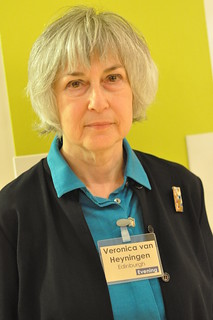
Photo of Veronica

Patron Veronica

I think it is wonderful that Veronica has come on board; with her in-depth knowledge and her notoriety she can only bring great things to advance ANUK. In fact, I was really excited to hear that she has already started to appoint a panel of experts to assist the charity. I am looking forward to her confirming who will be the specialist in WAGR/11p Deletion Syndrome.

As my 4-year-old daughter has communication problems, it is difficult for me to know how her aniridia affects her in daily life. The conference was yet again a great opportunity for me to meet other people with aniridia to learn about how the condition affects them. It was also a valuable opportunity to meet some other lovely WAGR families; there are so few of us that I am glad that we are able to ‘piggyback’ the event each year!

Adults, baby and dog sitting around a table

Susan, Caryl, Mari, Trystan, Jenny and guide dog Jayne

My lasting impression from the conference is the positive vibe that surrounded the day. ANUK has evolved a great deal, even in the short time that I have been a member. I believe this has been driven by the obvious passion and vision of the trustees for the organisation. I found this inspiring and hope to organise a social meet-up in the Midlands during the year.

At the conference, we saw first-hand that people with aniridia can have a fulfilling life, career, relationships etc and that new and exciting treatments are already being researched and trialled to establish a long-term solution to the corneal damage caused by aniridia.

Woman standing at lectern beside large screen

Medical Adviser Melanie presenting

When listening to the presentation by Melanie Hingorani, ANUK’s newly appointed Medical Advisor about therapy and surgery, it struck me how many of the aniridia related complications my young daughter already has; ones that generally do not appear in childhood. Instead of feeling scared, I feel the conference brought me hope and whatever happens, through ANUK I am developing a network of friends and contacts who will be there to advise and support us.

What did you think of Conference 2013? Tell us in the comments below or send us an article of your own to publish.

More photos from the day

Posted in Parents' accounts | Tagged , | 1 Comment

Jenny and other blind people are let down by bus companies

ITV West Country News interviewed our member with aniridia – Jenny – who says she frequently misses her stop because there are no automated stop announcements on buses. The charity Guide Dogs for the Blind is calling for audible announcements to be made compulsory on all services.


Posted in Other agencies, Patients' tales | Tagged , , | Leave a comment

Recruitment for the Optimum VI project: Early development and support of babies and young children with a visual impairment

This important national study is being led by Great Ormond Street Hospital Developmental Vision team (Dr. Naomi Dale and Dr. Alison Salt). This is the first national study to investigate early development and support in babies and young children with visual impairment.

The aim of this research study is to learn more about the early development of babies and young children with visual impairment and also how early intervention and care might influence this early development. We hope that the results of the study will allow us to provide new insights and understanding into early childhood development and visual impairment and which methods best facilitate early developmental progress.

This is a one year longitudinal study with a two year follow up. We will be meeting the child and family on three occasions (at the start, one year later and two years later).

This is a national study and we need to recruit at least one hundred babies in the first year. We hope to recruit as many interested families as possible.

It will be recruiting infants with profound visual impairment aged from 0 to 15 months (excluding children with additional severe motor or hearing impairments)We are happy to hear of families from anywhere round the United Kingdom and can provide home visits if the family lives at distance from us.

For an information sheet for parents, an expression of interest form and a flyer that will provide more information visit the study web page.

Posted in Research | Leave a comment

Protected: Woman with aniridia is first to get new corneal stem cell transplant in UK

This content is password-protected. To view it, please enter the password below.

Posted in Medical staff talking, Patients' tales, Research | Enter your password to view comments.

Protected: Life with aniridia by Ben and Lois

This content is password-protected. To view it, please enter the password below.

Posted in Patients' tales | Tagged , | Enter your password to view comments.

Do anyone’s eyes with aniridia have difficulty looking side ways?

Dr Joan Han, a physician at the National Institutes of Health in Bethesda, Maryland, USA, who is researching aniridia and WAGR/11p deletion syndrome has a question for you:

Do the eyes of anyone with aniridia not move fully to the side when looking side ways?

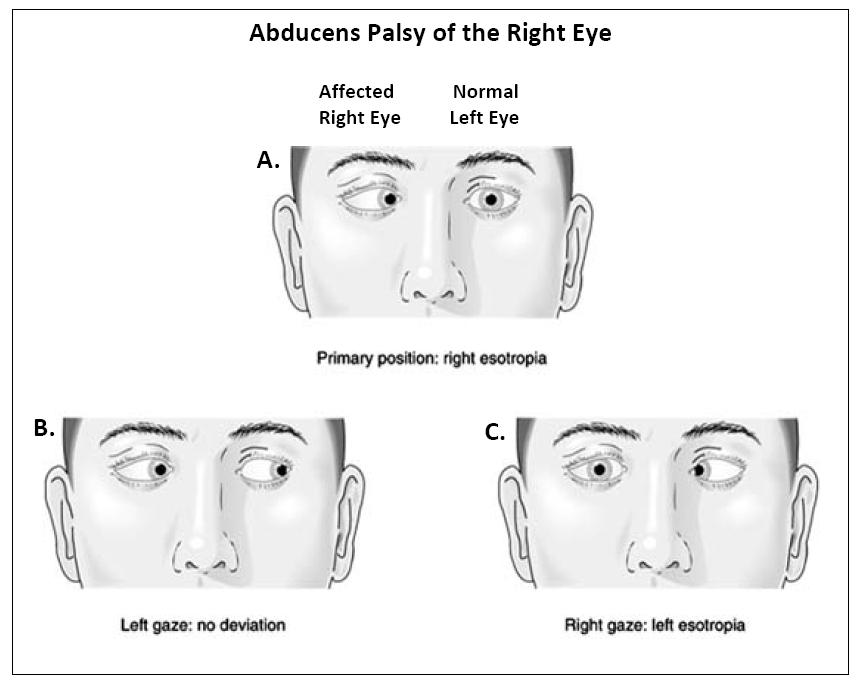
This picture shows what she means.

Pictures of pairs of eyes in various positions

Symptoms of abducens palsy

The symptoms to look for are

  1. When looking straight forward one eye tends to turn in toward the nose. This causes mild double vision.
  2. Normal appearance when the affected eye has to look toward the nose and the healthy eye is looking outwards (away from the nose);
  3. When looking in the other direction and the affected eye has to look outwards (away from the nose) it gets stuck in the middle while the other healthy eye turns in towards the nose. This causes severe double vision.

Note this is different to nystagmus where the eyes move involuntarily and strabismus where the eyes cannot align to look in the same direction.

Dr Han says “We are trying to study abducens palsy – that’s a defect in the nerve that controls outward gaze of the eyes. This can happen with just one eye or with both eyes.”

“We’ve observed inability of one or both eyes to gaze all the way to the outside side of the eye in some people with WAGR syndrome, but not in people with isolated aniridia thus far. But I think this might because we haven’t seen that many people with isolated aniridia.”

If you or your child has aniridia but not WAGR/11p deletion syndrome as well, and you think there might be a problems gazing sideways, please contact Dr Han by email hanjo@mail.nih.gov 

Posted in National Institute for Health WAGR study, Research | Tagged | Leave a comment

Melatonin and sleep

Katie has recorded some points about melatonin, a supplement which some people with aniridia and other conditions use to aid their sleep.

Note: Katie referred to the pituitary gland when she meant the pineal gland.

Jenny has previously told her story about trying to obtain melatonin in the UK.

As an update Jenny says “It’s hard to find the right dosage balance – I know this from personal experience and from parents of children with WAGR/11p deletion syndrom (they didn’t find it effective at first, until they tweaked the dosage, and some had to lower it).”

“I find 3mg isn’t enough and 5mg is too much. That’s with melatonin obtained from America. So the neurologist I saw suggested taking 2x 2mg. That’s why I take circardine mainly because it does come in 2mg doses in is slow release.”

Posted in Patients' tales | Tagged , | Leave a comment