

Eve
In February this year I started the final module for my degree, a literature review of the latest research in my chosen topic. Suggested topics included stem cells and human senses (among others). I wanted to pick something that I could relate to on a personal level, knowing it would motivate me to do the best I could – so I chose aniridia.
I chose it because of my cousin, Allyn, who recently wrote a blog post about his aniridia and depression. Up until very recently, I didn’t know what it was. I knew he had trouble with his eyes and had undergone many surgeries. I knew he’d had stem cell therapy and a corneal transplant, but my knowledge ended there and I decided I wanted to know more, at a scientific level.

Allyn
Growing up with Allyn, as part of a large family, I didn’t think of him any differently to any other cousin – he was loud, energetic, loved pizza and was pretty annoying on times. In recent years, when I realised how progressively worse his eyesight had become I wished and prayed for him to regain his sight, so he could live his life to the fullest. As a family we sat and awaited the news of how his latest eye surgeries had gone – when I heard that it had improved his vision and he told his sister “You’re just as ugly as I remember” (that’s our family’s humour for you!) I both laughed and cried, feeling overjoyed for him and hopeful.
So, I began my research. It was extremely obvious very early on that anirdia in its entirety was too large a topic. With the condition affecting multiple parts of the eye and me being restricted in my word count, I decided to solely focus on the cornea. I began looking at the genetic cause of aniridia and came across the term WAGR. Suddenly, everything clicked into place and made more sense. I remember my nan telling me that Allyn had had kidney cancer when he was a baby – she told me as she looked at the picture on her wall, of Allyn and his parents meeting Princess Diana on the hospital ward. I didn’t understand back then, but now I did and I cried. I cried for all he’s had to go through and I felt bad that I hadn’t sought to understand sooner. From this point onwards everything took on a new level of meaning for me.
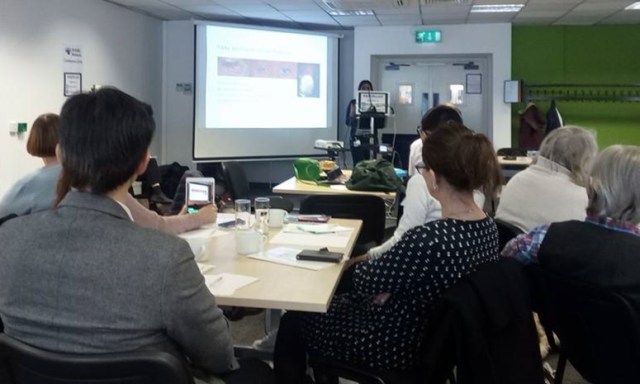
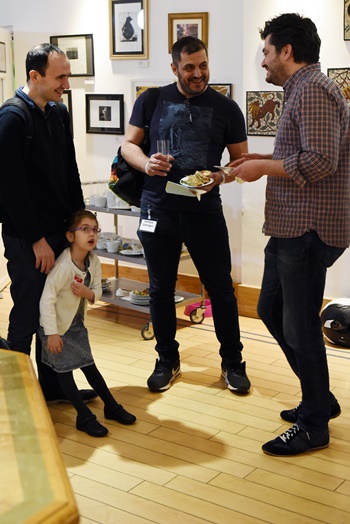
In April I went to the Aniridia Network Conference in London and was delighted to hear Mariya Moosajee talk of her research – the very stuff I had been reading in isolation, at home. I looked around me seeing the wonderful support network created by those with aniridia. The dad of a young girl told me about how he practically diagnosed his own daughter with some basic knowledge of biology and the use of the Internet! I spoke with a mum who had travelled from Russia and heard about her efforts to support those in her care. I was inspired! Mariya also mentioned the drug Ataluren, a nonsense suppression therapy which I had just been reading about, currently in phase 2 clinical trials (expected end date of December 2019). After spending so much time reading about the low success rates for corneal transplantations, this seemed so hopeful. I was both excited about the prospects of the research but also saddened for those that it would not benefit – those without aniridia caused by nonsense mutations, such as Allyn.
As my ‘project’ developed I became increasingly obsessed – seeking the best way to bring the information together and consolidate what I’d found. In the last 4 weeks of writing my review, my grandmother sadly passed away quite suddenly, leaving me distracted. Having started a new job that same week I became quite disheartened with my progress. I felt forced to reduce my scope and submit a piece of work that was not to the standard that I would have liked. I felt like I had failed myself and was letting down my family for not producing work of a high enough standard.
Well, the results came in last week… I was awarded a distinction for my work! Obviously I am happy with this, but more importantly, this project has helped me realise that I want a career helping others. I don’t think I’ll have a career in ophthalmology, but whether it be in research or something else, I want to help improve the lives of others by what I do.
Thank you, Allyn, for being my inspiration, my motivation and for the emotional support you have given me over the years. You were my shoulder to lean on when I needed it and I am so proud of you, for all that you have endured and achieved.
This post was reproduced from Eve’s new personal blog with her kind permission. Aniridia Network wishes Eve congratulations for her results and thanks for her contribution. We are looking forward to working more with her to improve understanding of aniridia.
 Today I took a big leap to raise £1070 for aniridia. I abseiled 80 metres (262 feet) down the Orbit Tower in London.
 I was cheered on by my family and friends, volunteers from Moorfields Eye Charity and other abseilers (including Aniridia Network member



 Hi, I’m Al, I’m 28 and I’m from South Wales. I have been registered as severely sight impaired (blind) since birth due to aniridia and nystagmus, caused by a rare missing gene that resulted in a condition called
  People at the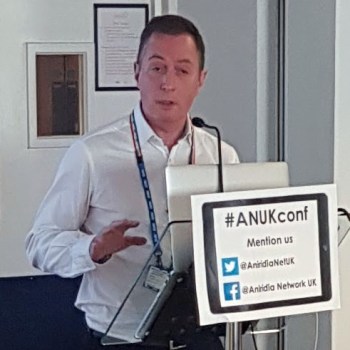
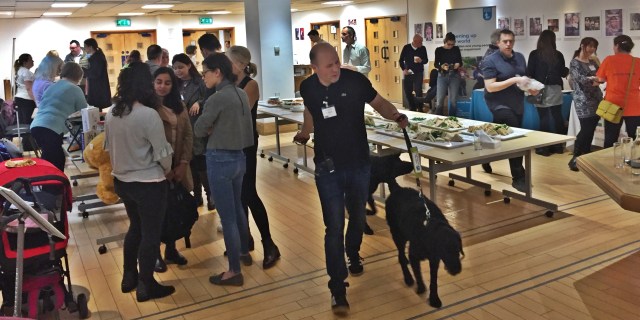


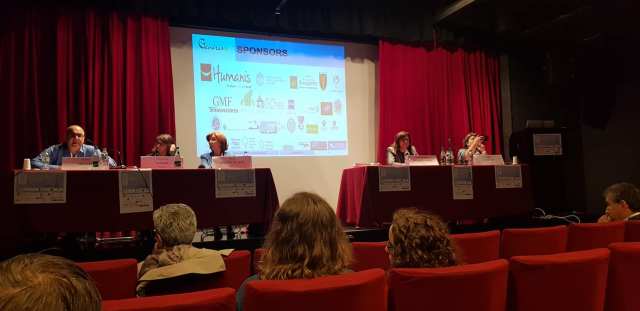
 The speakers did not charge to appear. In fact those who were also delegates, paid to be there. We do extensive searches for suitable venues in every city we visit. Resource For London, with it’s discount for charities, is easily the cheapest compared to others of similar quality, facilities, size and accessible location. Catering is the largest single expense even though we choose budget menus. The total cost of just under £6,000 is similar to the conferences we have held elsewhere in the country including Bristol and Newcastle. We cover half of this cost from fundraising income to allow ticket prices of £21 instead of around £45 for adults.
 We of course hope that speakers will attend for the whole day, to talk with delegates. But their other commitments often only become apparent close to or on the day of the event.
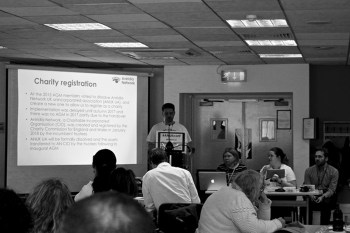 We are required to hold the AGM, legally and to be accountable to you, our members. If less than 5% of members (about 30-40 people) attend it, the AGM is not valid. Therefore we have to hold it in the middle of the day, precisely to avoid people skipping it.
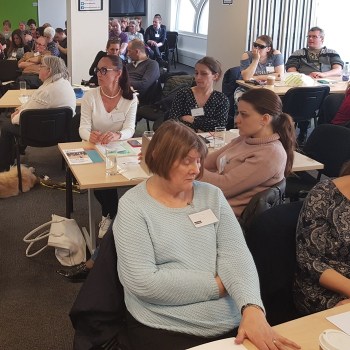 We do indeed tell speakers to cater for parents, patients and professionals with different levels of understanding and so the need to use simple language. We also provide guidance on designing accessible slides, such as about contrast and font size. Plus we tell them to describe any images.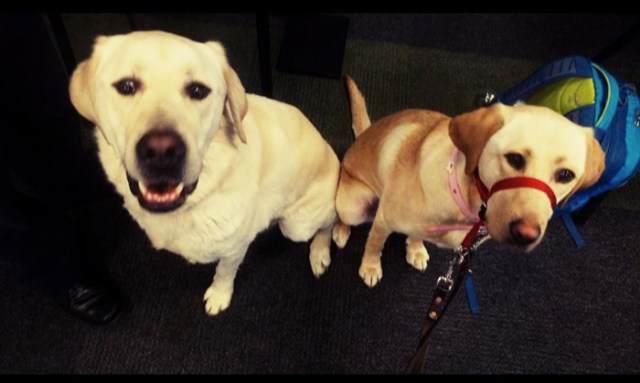
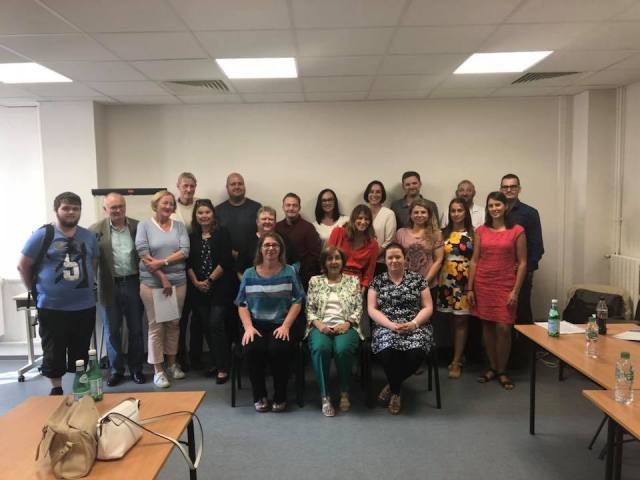
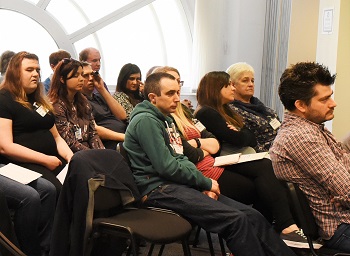 The conference venue is nice and bright and welcoming with really good coffee. So we were quite happy to wait for the fun to start. Being early has meant that the offered guide from Holloway Road station wasn’t needed but actually it was quite easy to find with location being on the same road as the tube station.
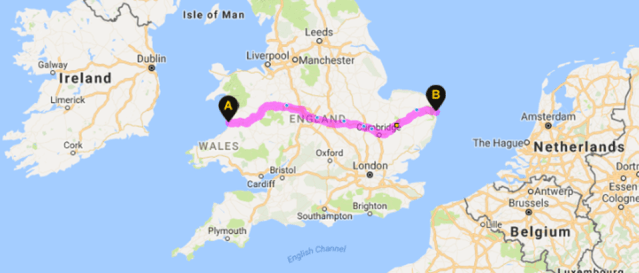 Cyclist Matt Hill took on his biggest challenge yet in aid of the Aniridia Network – riding 500km in a single day! That’s 100km further than the ride he completed for us
 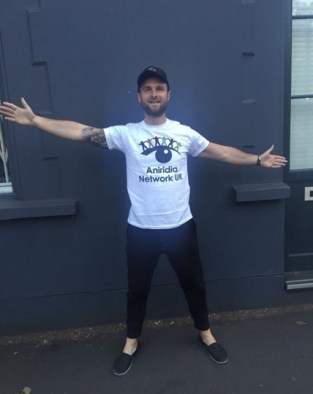 Matt was inspired to ride for us again after attending this year’s conference in London, joined by friends who have a son with aniridia, where he saw how money donated last year went towards vital projects and events. This included the £4,400 he raised in that period.
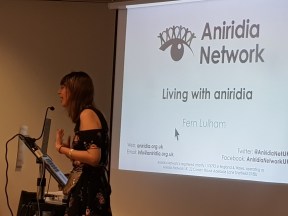 We were delighted to welcome motivational speaker
 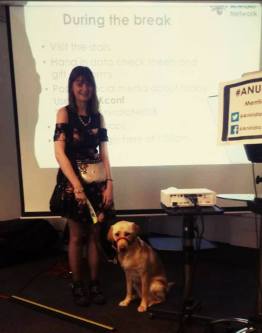 Fern also expressed her thanks on her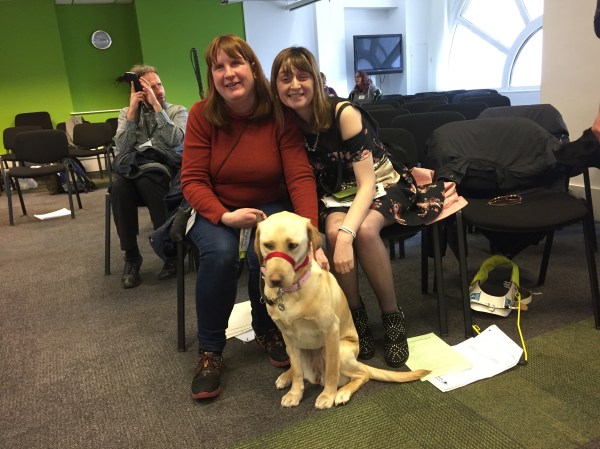




 Aniridia Network