
Because aniridia is rare and complex, as well as having associated conditions it can be difficult to get reliable information about it. Our panel of medical experts help us understand the causes, symptoms, assessment, prognosis and treatment of aniridia. This includes issues relating to:
- genetic mutations, deletions and inheritance.
- eye conditions: cataracts, glaucoma, nystagmus, dry eye, keratopathy, strabismus and retina diseases.
- central auditory processing disorder
- WAGR/11p Deletion Syndrome
If you are part of Aniridia Network and have a question or want information, about these or other areas contact us at enquiries@aniridia.org.uk
If we cannot answer ourselves we will send your question on to our Medical Advisers or one of the specialist panel members below.
- John Brookes
- Mariya Moosajee
- Sajjad Ahmad
- Ngozi Oluonye
- Professor Veronica van Heyningen CBE
- Mr Jay Self
- Martin Collinson
Medical Advisers
John Brookes

Consultant Ophthalmic Surgeon, Moorfields Eye Hospital
Specialises in adult and paediatric glaucoma, cataract in children and adults and general ophthalmology. He is the director of the glaucoma service at Moorfields and also runs the childhood glaucoma service at Great Ormond Street Hospital for Children. They took part in our edition of the European Aniridia Conference by providing online consultations for delegates.
Professor Mariya Moosajee

Consultant Ophthalmic Surgeon, Senior Lecturer and Wellcome Trust Beit Prize Clinical Research Career Development Fellow at Moorfields Eye Hospital, Great Ormond Street Hospital for Children and UCL Institute of Ophthalmology, London.
Specialises in genetic eye disease including aniridia, anterior segment dysgenesis, congenital cataracts, glaucoma, microphthalmia, anophthalmia and ocular coloboma and inherited retinal diseases.
Areas of research:
- Understanding the molecular basis of genetic eye disorders
- Establishing the genotype-phenotype relationship through detailed clinical phenotyping studies to identify optimal treatment windows and outcome measures for clinical trials
- Development of novel therapeutic approaches for genetic eye disease including nonsense suppression therapy (ataluren, PTC-derivatives and NB compounds) anti-cell death and antioxidant drugs, and gene therapy using non-viral gene delivery systems including scaffold matrix attachment region (S/MAR) vectors.
Medical Panel
Mr Sajjad Ahmad
Consultant ophthalmic surgeon at Moorfields Eye Hospital and Honorary Senior Lecturer at the UCL Institute of Ophthalmology.
He has a clinical and basic science research interest in aniridia related keratopathy (ARK), the corneal changes associated with aniridia and PAX6 mutations. His interest is in the developed of novel stem cell-based therapies for the corneal disease.
Ngozi Oluonye

Consultant Paediatric Neurologist and Consultant Paediatrician , Great Ormond Street Hospital
- Paediatric Neuroscience
- Neuroimaging
- Paediatric Neurology
Expert in the management of children with complex neurodevelopmental conditions including, autism, ADHD,
developmental and intellectual disability with specialisms in functional visual impairment, assessment of the development of children.
Mr Jay Self
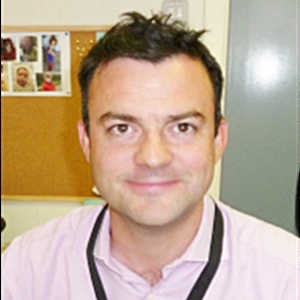
Consultant Ophthalmic Surgeon and Associate Professor University of Southampton
- Expertise in ocular genetics, paediatric ophthalmology, paediatric cataract and eye movement disorders.
- Research interests in nystagmus and high throughput genetic testing in clinical practice.
- Interest in public engagement in science and advisor to the Nystagmus Network and Gift of Sight charities.
Professor Veronica van Heyningen CBE

Honorary Professor at University of Edinburgh and
Honorary Professor at University College London
- Expert in the genetics of aniridia and related developmental abnormalities of the eye.
- Following retirement from the Human Genetics Unit Medical Research Council, continues to collaborate with scientists and clinicians on the genetics of eye disease both in Edinburgh and at Institute of Ophthalmology, UCL.
Also spent a decade as Patron of Aniridia Network.
Martin Collinson
Professor, Institute of Medical Sciences, University Aberdeen
Martin has been working on the roles of the PAX6 gene in eye development and adult life for over 25 years. Now focused on understanding corneal health and the development of drugs that can prevent corneal opacity in aniridia. He enjoys the opportunities to make current research into aniridia and other eye conditions accessible to all those who are affected by or interested in the science of vision.
Doctors and researchers often publish articles about their work. Sometimes these are freely available online or with a limited distribution. Even those we do hear of, can be quite impenetrable for lay people. It is also often not clear how new or useful the content really is.
So we sought a professional to look out for developments that are worth people working with and affected by aniridia knowing about. Prof Martin Collinson kindly volunteered. He will rephrase the reports it into plain English, and provide explanations to make them understandable. Read Martin’s articles.






 Aniridia Network
Pingback: Knighthood for member of our medical panel | Aniridia Network UK
Pingback: Leicester researchers seek under 7s with aniridia | Aniridia Network UK
Pingback: Review of Aniridia Network UK Conference 2013 | Aniridia Network UK
Pingback: Cornea tattoos | Aniridia Network UK
Pingback: Cure for aniridia under spotlight | Aniridia Network UK
Pingback: Our Patron’s Life Scientific on Radio 4 | Aniridia Network UK
Pingback: Cornea Connect brings researchers and patients together | Aniridia Network UK
Pingback: Stem cell research and treatment for aniridia presentation | Aniridia Network UK
My grandson has aniridia, could you please recommend the best most knowlegable specialist that would give us advice about my grandson
Thankyou
Julie
Pingback: £200,000 Aniridia drug research based and funded in the UK underway | Aniridia Network
What a wonderful – and much needed – service. I hope you will consider collecting both the questions and the (de-identified) responses, and posting them. I could see this becoming an extremely valuable resource for the entire community!
Pingback: Funding for aniridia drug research in Aberdeen | Aniridia Network
Pingback: Gene.Vision website about aniridia launched | Aniridia Network
Pingback: A decade as Patron of Aniridia Network | Aniridia Network
Pingback: Thanks to our retiring Medical Adviser Melanie Hingorani | Aniridia Network
Pingback: New Medical Advisors | Aniridia Network