Conference 2022

Our main event of the year took place online today. People from all arond the UK, Ireland and beyond joined via Zoom to hear and talk about various aspects of aniridia. There reactions were heartening:

I’m very grateful for all the effort that goes into putting these conferences together. It’s so helpful to listen to these speakers and interact with other members. It made me feel a part of a community. The practical advice from the speakers was the most helpful.

The event had a relaxed and informal feel and lots of useful information was given and gave an opportunity to ask questions of professionals. It enables one to be updated about medical progress and to learn from the experience of others.

Benefits of a low vision assessment for children and adults with aniridia

Dr Hannah Dunbar, Specialist Low Vision Optometrist, Moorfields Eye Hospital NHS Foundation Trust

A specialist low vision optometrist at Moorfields Eye Hospital and Senior Research Fellow at the UCL Institute of Ophthalmology. She has a PhD in low vision rehabilitation and has many years of experience seeing children and adults with visual impairment caused by genetic eye disease in the low vision service, and in multidisciplinary genetics and neuro disability clinics.

What happens when children and adults with aniridia attend a low vision assessment? Tips on getting the best from an appointment at a low vision clinic and advice on how to get referred to one.

This was the most positively received session:

Hannah was outstanding. She presented a lot of useful information in a clear and concise fashion. Separating child needs and adult needs was a really great idea.

Aniridia Network Annual General Meeting (AGM)

Trustees: Katie Atkinson, James Buller, Andy Baghurst

A summary of the charity’s annual report 2021/22, volunteer awards 2022 and (re-)appointment of Andy as trustee. Read the full AGM agenda.

What do you need? How can Aniridia Network help?

We asked what you think our charity should focus on to help you most. We split into groups, each led by a trustee to gather your views and ideas. The responses will inform out plans to support:

  1. Adults with aniridia
  2. Parents and relatives of a child with aniridia
  3. Professionals, donors. volunteers and others

Cornea Stem Cells Failure: Prevention and Current Therapies

Dr Samer Hamada, Consultant Ophthalmic Surgeon and Clinical Lead Queen Victoria Hospital. Twitter @EyeClinicLondon

A highly trained and experienced consultant ophthalmologist and cornea surgeon with a special interest in cornea, cataract and laser and lens refractive surgeries in adults and children. He has over 23 years of experience in ophthalmology. Areas of expertise include:

  • non-laser intraocular lens refractive surgery
  • advanced cataract surgery
  • intraocular lens procedures including premium lenses (multifocal, toric, or phakic lenses).

A pioneer in managing corneal diseases in children, he is one of the very few eye surgeons in the world who have educational, academic and clinical skills to manage corneal diseases in children.

What you can do as a parent or patient with aniridia to protect ocular surface and prevent or delay the progression of stem cell failure?
Updates on conservative treatment and surgical management with a focus on mouth to stem cell transplantation.

Sadly this session was unexpectly short. Dr Hamada recorded answered to some questions later. Recordings will be available soon.

The importance of what he was saying about the health of the stem cells and monitoring eye lubrication cannot be overstated. We know from first hand experience that this is not stressed enough as something with huge consequences. His message and slides were hugely valuable

A qualitative study exploring attitudes towards the use of the Internet and social media in adults living with aniridia
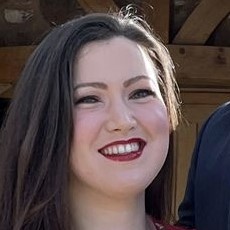
Emily Sterling, Student at Cardiff University

Emily is an MSc Student in Genetic and Genomic Counselling at Cardiff University. She has a special interest in ophthalmic genetic conditions and how these affect the lives of individuals, having worked in an ophthalmology department for the past 3 years. She currently works at the Manchester Centre for Genomic Medicine helping individuals and families to access the genetics service.

Introduction to an academic study that will be recruiting participants with aniridia from autumn 2022. Emily covered the purpose, aims and intended outcomes of the study and what will be involved in taking part. She answered questions about and provided details of how to find out more or get involved.

A recording will be available soon.

No such word as can’t

Anita Davies, Person with aniridia / mentor / trainer / professional speaker in personal development, Holistic Vision

At 50 years of age Anita is on a mission to change the lives of 500,00 people.
She has achieved a great many things in her life from being the first visually impaired women to travel the world and develop visually impaired judo for women and being the first UK world, European and international champion to being one of Wales’s most inspirational women over 100 years.

Anitia’s journey of two worlds: the seeing and non-seeing, Her passion from a very young age to be the best she can be, not to allow others to limit me. How she wants to inspire others and show that they can do the same. To help parents see what can be achieved even when your child has aniridia.

A recording will be available soon.

It was great to understand both challenges and how to surmount them brilliantly

Open conversation

After the presentations several people stayed on to talk amongst themselves for over an hour

I always enjoy and find inspiring the discussion of coping methods by individuals and families and with aniridia

Future conferences

One person suggested the conferences should alternate each years between being in person and online. We would love this to be the case It relies on one or more people volunteering to make the arrangements. If you can help please contact us.
Posted in Aniridia Network news, Medical staff talking, Patients' tales, Research | Tagged , , , , , , , | 2 Comments

Annual Report 2021-2022

Read details of what our officials, members and supporters did as well our finances between 1 April 2021 and 31 March 2022 in the Aniridia Network Annual Report for 2021/22.

See also the Aniridia Network financial statements and their independent examination report.

Hightlights

  • Held a hugely successful European Aniridia Conference and our own AGM as an online event, publishing the 48 recording on YouTube
  • Supported future European Aniridia Conferences by passing on a brand, website, resources and cash
  • Responded to several requests for advice, befriending and information
  • Took part in Aniridia Day and Rare Disease Day 2021
  • Published an interview with and articles about Tokyo Paralympians with aniridia
  • Sought up to date details of all our contacts to clean up and revise the structure of our database
  • Revamped our membership and supporter scheme to clarify voting rights
  • Trialled paying an agency to provide online and postal ballots, with disappointing turnout
  • Co-opted a treasurer on to the board when existing trustee stepped down. .

Thanks to super efforts by everyone who helped with all these achievements

However, we continue to really struggle to do some basic things well and rely too much on a few very active volunteers. We badly need more people to help us achieve our goals. Please volunteer if you can.

The report will be received at the charity’s Annual General Meeting 2022

Katie, James and Andy, the trustees of Aniridia Network
Posted in Aniridia Network news | Tagged , , | Leave a comment

Meet ups for Aniridia Day 2022

Four gatherings of people affected by aniridia were held around the UK to celebrate this, Aniridia Day.

Adults with aniridia hosted the get-togethers. Fellow patients, parents, children, came along to chat about life with our condition. Aniridia Network also bought everyone a soft drink to welcome them.

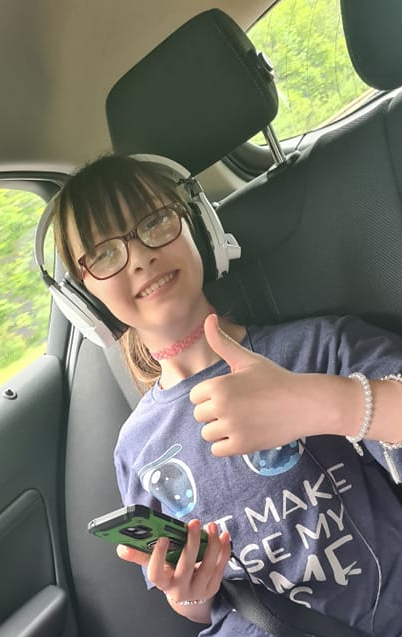
Child wearing glasss and headphones in the rear seat of car

It was a great opportunity to meet new people and share our experiences of aniridia with each other. 

Brooke

In Sheffield Katie was delighted to have coffee with Amy and her daughter Lilly at Meadowhall.

First time Lilly has met anyone with the same eye condition as herself.
It was a great chance for Lilly to talk and ask questions.

Amy

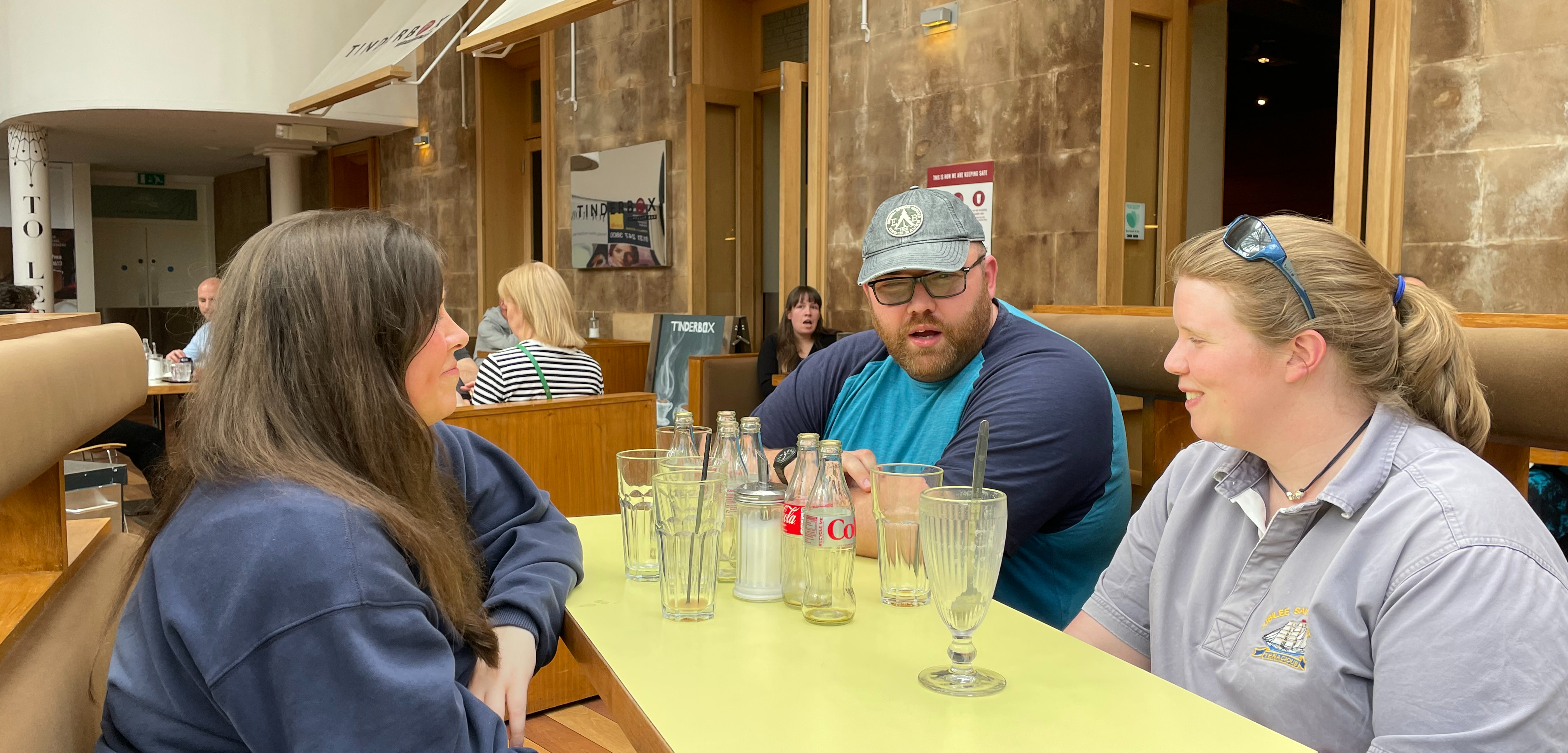
In Glasgow, Laura an her parents were joined by Sean, Chloe, Linda and Robert at Tinderbox in Princes Square. This was only our second ever event in Scotland. Thay had a great time chatting and are keen to repeat it and stay in touch.

2 women and a man sitting and talking around a cafe table

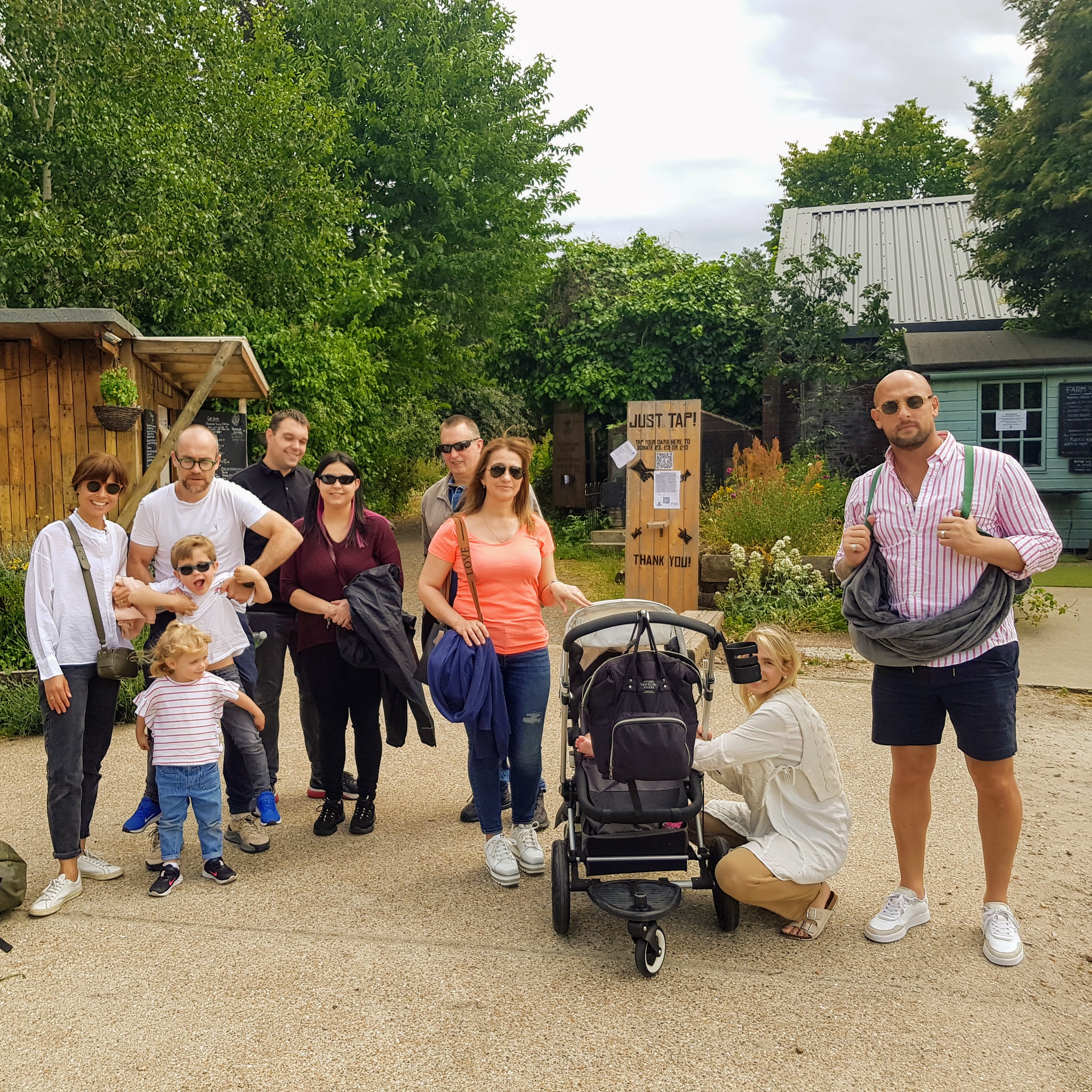
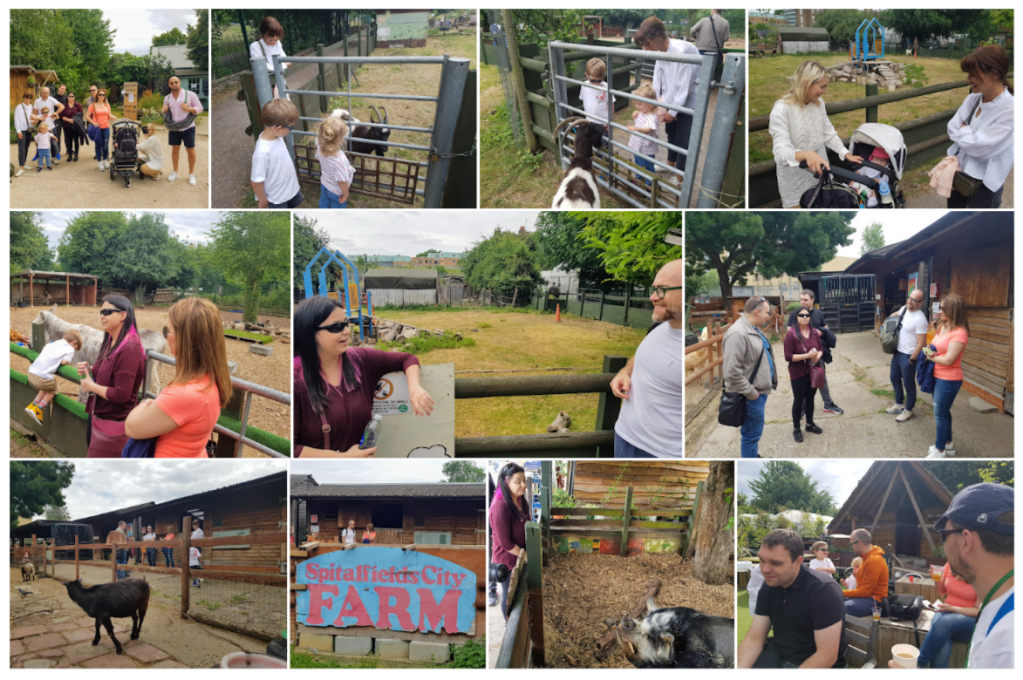
Meanwhile in London James arranged a trip to Spitalfields City Farm for: Keith, Brook (& fiancee Daniel), parents, Simon & Jena with son Finlay and his sister, parent Sarah & Alex with neborn Otilia and 2 more kids. They enjoyed talking about their experiences, visual aids and ways of living with aniridia as they stroked donkeys, goats, pigs and other cute animals.

This lovely day was a perfect opportunity for us to get a better understanding of aniridia and make connections for the future when our little girl grows up. The farm was the perfect place to meet with the children. I look forward to the next meeting.

Sarah

Finlay said he “definitely wasn’t the only person with black eyes today!” Which I think shows the importance of these meet ups (even for a child at the age of 6).
It was such a lovely afternoon and a wonderful opportunity for us to meet with others from the aniridia community and gain and share information and experiences, so thank you!

Jenna

On aniridia day itself we also held an online meet up. 7 people joined this and discused subjects such as cornea disease, cataract surgery and employment.

It was great to hear about what else is happening elsewhere, as well as to have had the chance to chat with everyone and to learn more – particularly about what to expect and what could happen in the future.

Laura
Open the photo album of the London meet up
Posted in General | Tagged , , | 1 Comment

6th European Aniridia Conference

By Claire

6 people posing around a circular dining table at the end of dinner

My daughter Laura, who has aniridia, and I set off for the conference early on Friday 3rd June to join other families seeking more information about this rare condition that many health professionals are unaware of. How heartening to meet so many aniridia patients from 9 months to over 60 years of age, all with their own unique stories to tell! 

The conference was held in the beautiful San Juan Complex, hotel and conference centre with activites available for all ages. The organisation was excellent, seminars were divided up into those all and those for professionals only. At those timese patients and families were given a coach trip to explore Alicante. There were activities for younger children at any time a seminar was taking place.

Friday afternoon was filled with ophthalmic tests and consultations. A genetic consultation was available to all patients too. Laura and I found this invaluable for her to go ahead with cataract surgery in the UK.

The most valuable part of the whole experience was to realise that aniridia patients and their families are not alone. Aniridia may be a rare condition but it is not uncommon, just widespread! Sharing information and experience with other families from different countries made us realise that there are many of us. Although it was a European event many of the speakers, whether health professionals or scientists, had travelled to Alicante from Canada and USA. The seminars gave us news on the latest research, techniques involved and the support available.

We all met new friends, shared stories of our experiences and thoughts, shared meals and laughed and supported each other promising that we would meet up again in Sweden at the 7th Anirdia European Conference in 2024.

I cannot express how lucky we were to have found the UK Aniridia Network just months before the conference and that they have given us such great support and knowledge.

Find out more about the 6th European Aniridia Conference

Posted in International, Parents' accounts | Tagged , | Leave a comment

Book review: ‘Auditory Processing Disorder’ by Alyson Mountjoy

APD book cover

This book is written for parents and adults with APD, plus educational and medical professionals. Auditory Processing Disorder (APD) affects many people with aniridia. This book provides a lot of insight into the condition.

It was published in March 2021 by Alyson Mountjoy. The full title is “Auditory Processing Disorder: Identification, Diagnosis and Strategies for Parents and Professionals“. The condition is sometimes prefixed with ‘central’ making the acronym CAPD.

Although it does not mention visual impairment directly, chapter 4 does talk about scotopic
sensitivity syndrome (SSS) or visual stress. Its symptoms similar to aniridia can include light sensitivity, poor depth perception and difficulty reading black text on white paper due to glare.

The book is divided into eleven chapters based on a list of stages called the A Plan

  1. Awareness: Identification
  2. Answers: Seeking Diagnosis
  3. Acceptance: The Process
  4. Additions: Coexisting conditions
  5. Action: Coping Strategies and support at home
  6. Advocacy: Finding a voice
  7. Adjustments: Education support
  8. Alternatives: Flexible education
  9. Adolescence: Teenage years and life skills
  10. Adulthood: Problems and possibilities
  11. Anxiety: Stress and mental health.

Aniridia Network recommends this book as it gives clear insights into APD and suggests ways to support those who have the condition. It is very easy to read with clearly defined chapters and so is good to dip into. Alyson writes in a clear, knowledgeable style with little jargon, she explains terms when necessary and includes useful case studies.

The author is a parent of a child with APD, visual processing disorder, hyperacusis (noise sensitivity) and other sensory sensitivities. He is now an adult.

As a special needs learning support assistant Alyson also supported children with severe dyslexia as well as a range of other conditions.

Alyson is the founder and chair of APD Support UK, manages five APD related support groups and is an invited parent/patient member of both UK and international research projects on APD.

For more about APD and the typical aniridia gene, watch this video from our 2011 conference

Posted in Parents' accounts | Tagged | 1 Comment

2021 Volunteer Awards

We would be nothing without the amazing people who give up their time and use their skills to run our charity.

We are extremely grateful for all our volunteer’s efforts and what they achieve from them for our beneficiaries. To recognise particular individuals’ superb work, we have created an annual award scheme.

Chair of Trustees Katie Atkinson announced this year’s recipients at our annual general meeting. Later we presented them with certificates and £20 of shopping vouchers.

Producing the 5th European Aniridia Conference has taken massive team effort by several volunteers in recent months. We will recognise their incredible output and impact next year.

Lyn
Lyn

Outstanding contribution Award

We thanked Lyn Buller for their ongoing dedication as a volunteer, particularly in running the befriending scheme and providing special educational needs resources and advice. These services make a positive difference to the lives of our members and her work on them is greatly appreciated.

Young man wearing glasses
Aaron

Volunteer of the Year Award

We thanked Aaron Lee for their hard work in producing the excellent Volunteer Induction Pack. This will help us grow our volunteer base, allowing us to do more.

Get involved

Come and join Aaron, Lyn and the rest of the brilliant Aniridia Network team so we can do even more. We are eager to use the skills you already have and provide the opportunity to develop more, through training and experience. Look at all the ways we are looking for volunteers to help and get in touch.

Posted in Aniridia Network news | Tagged , , , | Leave a comment

2nd hand clothes sold in aid of aniridia

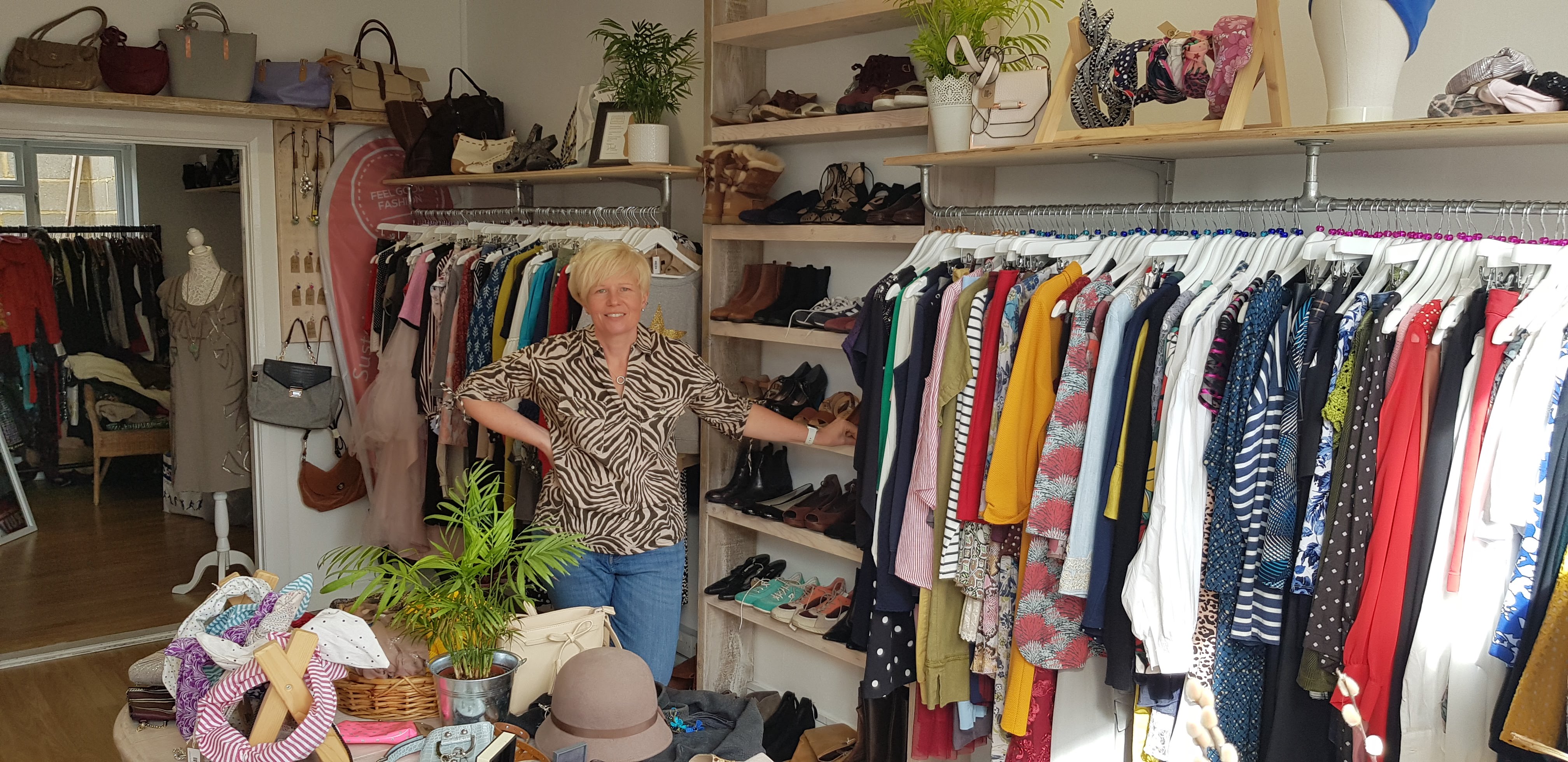
A boutique selling second hand clothes donated £456 of its profits to Aniridia Network.

Business owner Katie in her shop

Feel Good Fashion takes in preloved clothes and sells them on, aiming to reduce waste. The proceeds are split: 40% to the previous owner, 40% to the business and 10% each to two charities. The good causes are nominated by customers and change each month.

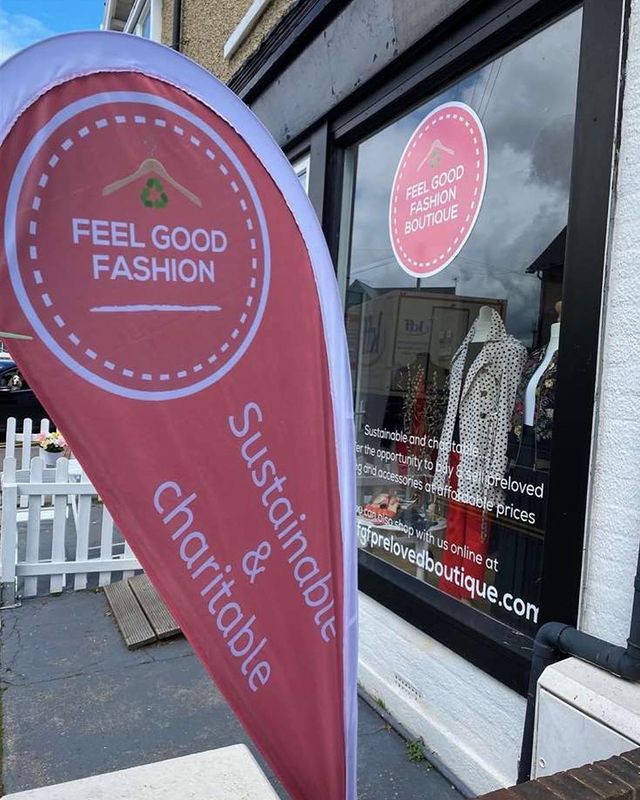
Feel Good Fashion banner and shop front

The lovely garments and accessories are available from the shop in Deal, Kent or the Feel Good Fashion website.

Aniridia Network was suggested by Lyn and in September it was our turn along with Macmillan Cancer Support. We visited at the end of the month to see how it was going and say thank you in person

Entrepeneur Katie Sutton has given £10,000 to 30 good causes since January 2020 when the shop opened.

Katie explained shared what inspired them to get started:

I love getting new clothes, but after I tuned into Stacey Dooley’s “Fashions Dirty Secrets” last Summer, I was horrified to see what the world of fashion is doing to our planet.

I love to chat to my friends about what they are wearing, how nice things look on them… I was amazed to find out that many of their outfits were created from lovely pieces they had sought out at a charity shop, ebay etc.

I also decided to challenge myself and do some volunteering on the reception at our local hospice. I met so many amazing people & I saw first hand how important fundraising is, as the government provides a small percentage of what they need to keep providing their incredible services.

All of the above swirled around in my brain for a few weeks & then out popped my Feel Good Fashion concept to make a difference to people’s pockets, the environment & for charities.

Bags of thanks to Katie and all the shop’s customers for their canny investments. We’ll use the money to address the needs of people affected by aniridia around the UK.

Posted in Fundraising | Tagged | Leave a comment

Golf competion raffles raise £1000

The Tidworth Garrison Golf Club runs an annual open competition for seniors, and alongside it a fundraising raffle. For the past 2 years Vice Captain John has arranged for it to be in aid of aniridia. His 4 year granddaughter Sabrina has aniridia.

After the latest he said:

The 2021 Seniors Open day was a glorious success. Weather was excellent for golf – no rain light wind and not too hot. There were 153 competitors from all over the country – including Scotland and Lancashire with the bulk coming from Hampshire, Wiltshire, Dorset and Berkshire. All were very complimentary of the course, the club, the organisation and the catering.

They also raffle off prizes including wine and spirits and golfing paraphernalia. They provided aniridia information sheets alongside the ticket sales.

I am happy to say that the take-up of the raffle was very good and competitors were very interested and happy to buy tickets to support the cause.

In 2020 they raised £400 and this year £600 for Aniridia Network. Magnificent.

Thank you very much to John and everyone who organised and took part the event/raffle. Effort and kindness like this mean we can keep supporting families like Sabrina’s.

Tidworth Garrison Golf Club Seniors Open

What could you do like this? See all the ways you too can support Aniridia Network.

Posted in Fundraising | Tagged , | Leave a comment

Katie: Judo Paralympian with aniridia

To show what’s possible for a person with aniridia, we checked in with one competing in judo at the Tokyo Paralympics. Meet Katie, part of Team USA.

I’m Katie Davis from Sacramento California. I was born with aniridia and nystagmus, inherited from my mom. My vision is around 20/600 or worse.

I use my phone for a lot of things and do use a cane to keep me from tripping or running into things.

I compete in judo. Judo means “gentle way”, it’s similar to wrestling I have tried several different sports: gymnastics, bowling, basketball, and running. What I really love about judo is there really isn’t any need for adaptation, our training partner or in competition our competitors grip up so we have contact and for competition we are guided out to the proper starting point on the mat and during competition refs announce when we’re near the edge but the actual judo requires no adaptation, we can practice or compete against sighted individuals as easily as blind individuals.

My biggest struggle with training as a blind athlete is transportation, getting to practice and home from practice. Ride shares such as Uber and Lyft are expensive and have become less reliable. I often use Paratransit service, there are advantages such as price and they’re specifically hired to transport people with disabilities BUT often the buses are late and the share rides are not always logical. Sometimes transit can take longer then the practices themselves.

I feel making it to Tokyo is my biggest accomplishment, I also competed in London in 2012 but my life outside of sport was much more simplistic back then. Now I am a single mom to 2 little boys and self employed, so the fact that I was able to train and make it this far is a big deal for me. As a judo athlete getting to practice at the Kodokan, the place where judo began is by far a judo athlete’s dream! We are in the country where judo all started and that alone makes competing at the Tokyo games an amazing thing.

In general whether you’re visually impaired or not, being an athlete takes a lot! It is physically, mentally and emotionally draining at times but the end goal is amazing. Winning a match or getting a gold medal or making it to the Olympics/Paralympics is by far the most amazing feeling you will ever have. The experience is very much like nothing else.

As visually impaired athletes often you need to be able to advocate for yourself. You cannot learn a sport without fully understanding and completing training. If you’re unsure you always have to speak up because often there are not many blind athletes so you train with sighted athletes and have to be able to speak up when you need help.


Update: Sad to say Katie lost her first match and then a repechage match too. Best wishes for the future Katie!

Find out about more Paralympians with aniridia.

Thank you to British aniridia sporting hero Lois Turner for arranging this article. Lois has captained the UK Women’s Blind Cricket Team and been part of the Great Britian Women’s Goalball team.

Posted in Patients' tales | Tagged , , , | 2 Comments

Amanda: Goalball Paralympian with aniridia

To demonstrate the amazing things a person with aniridia can achieve, we interviewed one competing at their 3rd Paralympics in Tokyo. Amanda is part of Team USA, hoping to better her USA Women’s Goalball team’s bronze medal won in 2016.

To find out how she gets on, follow Amanda on Tiktok and Amanda on Instgram.

Results update

In the women’s group games the USA team started by beating Brazil, 6 goals to 4. Amanda scored three of these.

Amanda scored 4 of the 10 goals in the next match to beat Egypt without conceeding any!

2 goals by Amanda were not enough to beat Japan. 3-2 was the final score.

USA beat reigning Paralyimpic gold medalists Turkey 4-3 in the last group game. Amanda scored two of these, one as a penalty.

The team ranked 2nd in the group after Turkey, secure a quater-final place. Both teams only lost one of their four group games but Turkey scored more goals.

In the quarter final against the Russians (winners of the last championships in 2018), Amanda scored 2 of the 5 goals to progress to the semi-final. On Instagram afterwards Amanda wrote:

“We had the choice a few days ago to choose a more comfortable route that we know well for our semi-finals or to STEP UP and take the road less travelled. We chose to rise to a huge challenge.
We are a team that is RESILIENT! We came back from behind three times and took the reigns to control our own game and fate to beat the reigning WORLD CHAMPIONS!
We came to this tournament as underdogs after our finish at the 2018 World Championships. We’re showing the world what we can do here, what we have been training for, and we have the amazing opportunity to show our country and the world our amazing sport”

The semifinal match against Brazil, was in dramatic fashion.

The U.S. offense was stymied by the Brazilians for the first 21 minutes of the 24-minute game until Amanda Dennis finally put a ball in the back of the net with 2:28 left on the clock to pull the U.S. within a goal at 2-1.

With under 20 seconds remaining and possession of the ball, U.S. Head Coach Jake Czechowski called timeout to strategize possibly the final throw the Americans would have, and he put the ball in the hands of the team’s leading scorer…Dennis.
Dennis, who’s been thriving in pressure situations all tournament, came through in the clutch once again as she drilled a throw down the line past the Brazilian defense with 15.4 ticks on the clock to send the game into sudden-death overtime.”

Read more in the match report by United States Association of Blind Athletes

They won the semi-final with extra throws. However, the dream came to an end at the gold medal match against Turkey. USA lost 9-2 to take an amazing very well deserved sliver medal. Amanda didn’t play in this game.

Tremendous congratulations her to all the players for the achievement and showing what’s possible wtih a visual impairments and aniridia.

Read the results of all the goalball matches in Tokyo.


Find out about more paralympians with aniridia.

Thank you to British aniridia sporting hero Lois Turner for arranging this interview. Lois has captained the UK Women’s Blind Cricket Team and been part of the Great Britian Women’s Goalball team.

Thanks also to interviewer Fern Lulham, a wonderful broadcaster and motivational speaker who has aniridia.


Amanda explains aniridia on TickTok

Here is a longer pre-Tokyo Paralympics interview with Amanda:

Posted in Patients' tales | Tagged , , | 2 Comments