We have a great Christmas present and new year offering for you. But you need to act quickly to have a chance to take it!
We want to help 18-30 year olds with aniridia kickstart your careers, advance your studies or gain more independence and enjoyment in life.
We’ll do this by paying to send a lucky few to meet others like you to an event in Stockholm in 2024. The first ever European Aniridia Leadership Academy will empower and equip you with the skills and knowledge to unlock your potential.
Over 3 days you’ll benefit from discussions and activities run by leading lights in the aniridia community. They will share their experiences and expertise to help you follow in their footsteps and go beyond. They come from a wide range of professions plus 3 paralympic athletes who have aniridia
Ben Goodrich: judo from USA
Veronica Tartaglia: fencing from Italy
Gianmaria Dal Maistro: skiing from Italy
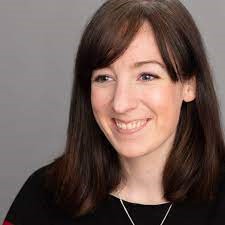
Katie and James who have aniridia and who sit on the Aniridia Network trustee board will also be presenting sessions and be available during the event. So there will be some friendly British people there as well as all the continental Europeans.
Plus you’ll connect with other young people from across Europe, who face similar challenges relating to aniridia, to gain practical tools for your daily life and future endeavours.
Afterwards there will be opportunities to get direct mentoring to push your personal and professional development further. You will also get an attendance certificate to show your commitment and knowledge gained.
We would also like to see you volunteering for Aniridia Network or Aniridia Europe in future.
Plus you can explore the vibrant city of Stockholm, Sweden. Perhaps you could extend your stay to visit the sights and soak in the culture more.
Becoming a leader is both rewarding and exhilarating, but it also entails dedication and hard work. The European Aniridia Leadership Academy (EALA) will put you on the path to success by expanding your horizons, growing you as an individual and showing you how to make the most of your opportunities….
…. Like this one to come to learn about both aniridia and leadership! Your first challenge is to make a successful application to take part in the European Aniridia Leadership Academy.
Costs
Aniridia Network will cover reasonable expense for taking part in the academy including for: travel, accommodation, food and the academy ticket. You may need to pay for some of these yourself at first and then request reimbursement afterwards.
Eligibility
You must
have aniridia
be a member of Aniridia Network
be a UK resident
be between 18 and 30 years old on 31 May 2024.
be able to travel to Stockholm for the event on 31 May to 2 June 2024 (this covers your availability, assistance, health, passport for example).
commit to documenting your academy experience for publication online by Aniridia Network or Aniridia Europe and perhaps elsewhere.
Apply
For a chance to grasp this great opportunity email your name and contact details to info@aniridia.org.uk. Include a statement no longer than 500 words setting out how taking part in the EALA would help you to:
develop an aspect of your life
help other people through actions, setting an example or taking the lead in something.
contribute to the success of Aniridia Network and/or Aniridia Europe
The deadline is 11.59pm on 3 January 2024.
The trustees of Aniridia Network will decide whose application to support.
The final decision on who can go to the EALA will be made by representatives of Aniridia Europe later in January.
There are likely to only be 1 or 2 successful applicants from the UK. It is not common to have aniridia so we are looking for ‘rare talent’!
More information
If you have questions about the European Aniridia Leadership Academy email conference2024@aniridi.se
If you have questions about the application to Aniridia Network email info@aniridia.org.uk
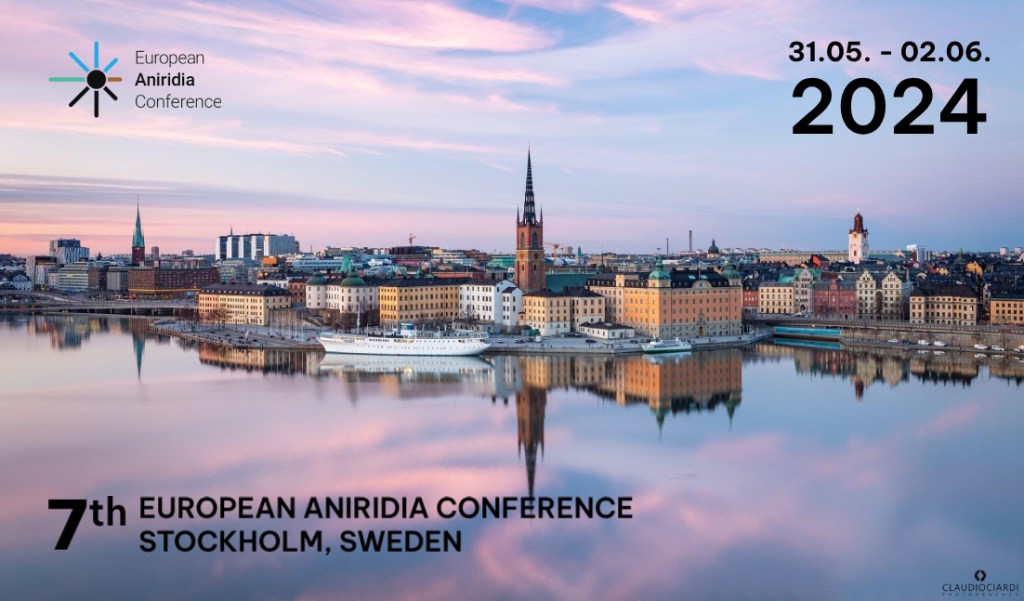
There has been a very demand for the places at the 7th European Aniridia Conference, in Stockholm, Sweden. That is fantastic and very promising, but unfortunately they are running out of tickets. Book now if you want to attend.
Including speakers, guests and participants there aer about 140 delegates which already exceeds the plans.
The European Aniridia Conference is a biennial conference that brings together researchers, practitioners and diagnosis carriers, as well as industry representatives, to share the latest scientific know-how, experiences and ideas about the rare genetic condition aniridia and aniridia-related diseases.
A researcher has found that for people with aniridia, being online, in relation to their condition is:
transformational
empowering
liberating
gave a feeling of solidarity
and is ever evolving
During the past year, a Cardiff University masters student studied the experiences and attitudes of adults with aniridia towards internet and social media use.
Having completed her work, Emily Sterling was welcomed back to our 2023 Conference Birmingham in September to take us through her findings.
The study reveals how adults with aniridia find the use of the internet and social media transformational, empowering and liberating, enabling them to connect with others and access information. But it also continues to have barriers and limitations, and participants were able to suggest their hopes and needs for the future.
We are delighted to report that Emily received a distinction for her dissertation, and for her MSc Genetic and Genomic Counselling qualification as a whole. So congratulations to Emily, with many thanks for her hard work, and we wish her all the best for her career in going forward. Thank you also to everyone who talk part in her study, ensuring there was a good breadth of experiences and ideas.
You can see Emily’s presentation in the video, below which is the transcript, and you can read more about her findings in the following documents:
[James] The next speaker, I’m really delighted she’s come here today, is Emily Sterling, another one of the Genetic Counselling students from Cardiff University, and whose research a number of you have been taking part in over the past year.
I’m particularly excited about this because hopefully some of the things that Emily has learnt and will be feeding back to us will help influence the kind of services that we deliver, particularly online through social media and things, to you to make the Aniridia Network better for all of us. So, Emily.
[Emily] Thank you. Just wave if you can’t hear me at the back and I’ll shout.
Hi, I’m Emily. Thank you so much for having me here to speak today. Some of you may remember that at the last Aniridia Network conference, like Helen, I was recruiting for my dissertation research project.
And for those of you that I’ve not met before, this project was a project that I did in the last year of my Masters in genetic counselling. And I chose to work with Aniridia Network for this research project. And just this summer I have finished the research, submitted the dissertation and finished the Masters.
So thank you very much for having me back this year to present the findings of my study. I feel really, really fortunate to have partnered with Aniridia Network for my project and I’m looking forward to presenting my findings to you.
So the study had a lot of interest and I know some of you here today took part in the study. I’m really, really grateful for your engagement and your enthusiasm for this research and I hope that you find the findings as interesting as I did.
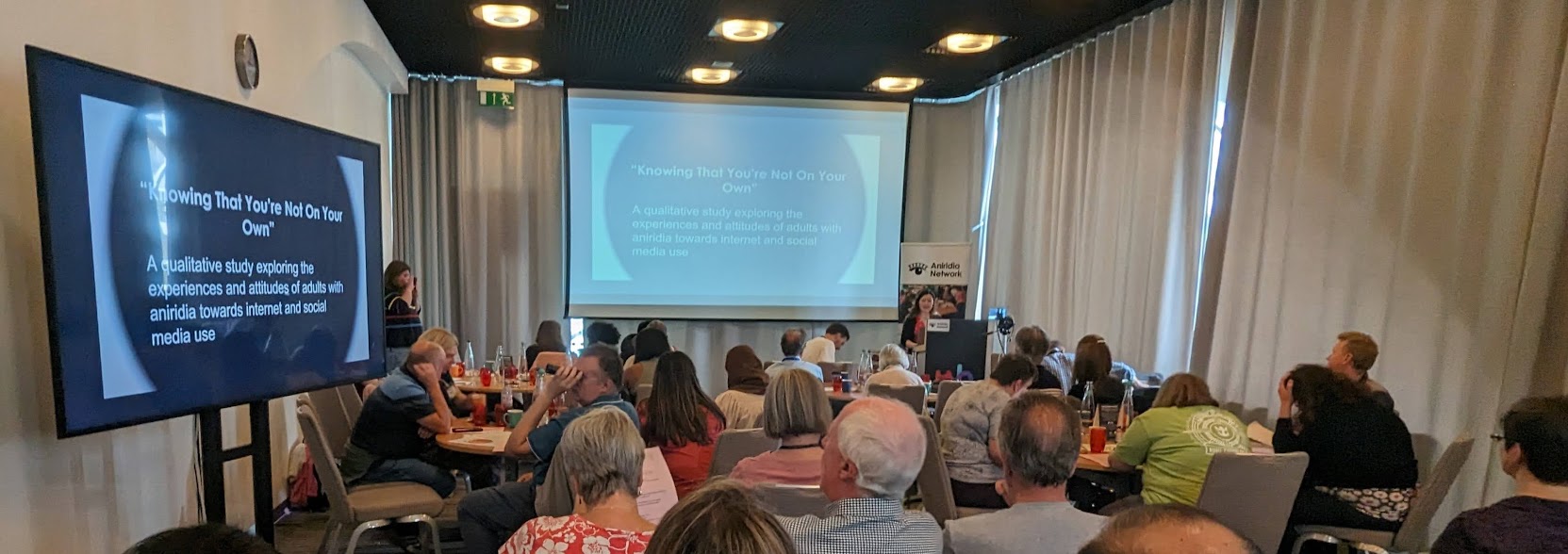
So the title of the study ended up coming from a quote from one of my participants, which I felt expressed a feeling of community, which came across very, very clearly from everyone that I spoke to. In the end, the title of the study was ‘Knowing that you’re not on your own’. It was a qualitative study exploring the experiences and attitudes of adults living with Aniridia towards internet and social media use.
So I’ll explain a little bit more about the research, how it came about and how it was conducted in a moment. I will then provide some de-identified and anonymised information about the wonderful people who took part in the study, to provide some context to the results before I present the main themes which arose from my research and my interpretation of these themes.
Depending on how much time we have towards the end, I would like to have a bit more of an interactive discussion with yourselves about anything that stood out for you in the research and maybe a bit of a reflection on these findings. I know what stood out for me, but I think it might be quite interesting to have your views as well, before I give you an opportunity to ask any questions.
So a bit of context about the study. When I started my Masters degree, I was working in ophthalmic imaging and I found it very interesting how some of the patients I was working with were using technology to support their lives.
After speaking to the trustees of Aniridia Network, I found out that the support group had actually grown out of a mailing list in the late 90s and early 2000s, towards the beginning of mass general use and access to the internet. And I was really curious to find out and understand how individuals with Aniridia use the internet, which of course nowadays heavily involves social media too in relation to their condition.
Initially, I thought I would mainly focus on interviews of people under the age of 30, but after speaking to the trustees, I removed the upper age limit. And I’m really, really glad that I did, because I ended up with a couple of people across lots of different age brackets and at different stages of their lives.
And I feel that the study greatly benefited from being able to speak to both people who were grown up with the internet, and people who had only had access to the internet and social media in their adult lives. I found the breadth of experiences I ended up with was really interesting to hear and incredibly important to represent as well.
So for anybody who didn’t take part in the study, the way it worked was the study was advertised through Aniridia Network and anybody who was interested in the study got in touch with me to express their interest in taking part. We then arranged a time for that person to be interviewed by me about their internet and social media use related to their Aniridia.
Most interviews were done through video call, but participants were also given the option of doing their interview over the phone, or in person if we could agree a time and a place that worked for both the participant and I.
When the interviews were conducted, they were audio recorded and afterwards I transcribed everything that was said in the interview and these interview transcripts then became the source of my research data. Which means that I went through the transcripts looking for patterns in the things that people were saying, or the information that I thought was interesting or that provided insight into how individuals use internet and social media in relation to having Aniridia.
So this is the first time that I’ve done this sort of research and it’s obviously very subjective. So while I based my interpretation of the data on the information in transcripts, it was my own interpretation of the data. And I did find it really interesting working out how to tell the story of the data and figure out how I thought it fitted all together.
So before I go into the data and the different themes I interpreted from doing the interviews, I just have some quick demographic information about my very kind, generous and enthusiastic study participants who I honestly cannot thank enough for taking part in this study.
In total, I had emails from 15 people expressing their interest to take part in the study. Of those 15 people, 10 people went on to arrange an interview and complete an interview with me. And while this might not seem like a lot of people for the type of study that I was conducting, 10 is actually quite a high number. Especially as in total, between my 10 participants, I collected around 17 hours worth of interview data.
Of my participants, I interviewed 7 women and 3 men who were quite evenly distributed across my different age brackets, which ranged from 18 years old to over 65. My ratio of sporadic aniridics to aniridics who were born into families with other affected family members was also quite even, with 6 sporadic aniridics and 4 with other affected family members. The participants were spread out across the UK, with participants from different parts of England, Scotland, Wales, Northern Ireland, and I even had one participant from the USA.
Something that was really interesting from having participants from all over the country was the difference that living in an urban or rural area seemed to make to some of my participants’ answers, especially if they had moved from living in an urban area to a rural area or vice versa at some point in their lives. I will just quickly mention that I was only interviewing individuals who were affected by Aniridia for this study.
So, as I explained before, the key themes that I believe explained or told the story of the data, that came from the interviews I conducted, were the idea of the internet having a transformational effect on some aspects of the lives of aniridics I interviewed, a contribution to a feeling of solidarity, a feeling of empowerment, and similarly feelings of liberation.
Possibly most interestingly, having interviewed people across a range of ages and experiences, was a sense of how people’s use of the internet had changed over time and how they hoped or could see it further evolving in the future. This is also where I felt some of the accessibility barriers and issues came up a lot too.
So I will now talk about each of these themes in turn, how I felt the data contributed to my identification of that particular word to encompass that theme, and with some quotations from the participants that I felt conveyed something interesting or added to how the individuals that I was interviewing use the internet and social media to do with their Aniridia. So there was a lot of overlap and crossing over of themes.
Again, this was just my interpretation of how I made sense of the data from the interviews, but you might have different ideas or interpretations, which I’m hoping we’ll have some time at the end to have a bit of a discussion about.
So, as I’ve mentioned, one of the dominant themes I identified amongst participants was describing how the internet and social media had had a transformative effect on participant lives by facilitating their ability to make and maintain connections and discover and publicise activities, so that they reached more people.
The first sub-theme was Connecting, that contributed to the overall theme of Transformational, and I felt that this was exemplified by the following quote:
“We connected with each other and a whole lot of other people. If it hadn’t have been for social media, then we couldn’t have done that. It was such a morale booster. Even if the person’s not on social media, sometimes they’re on the internet and you can contact them.”
This quote was from a participant talking about using the internet and social media to arrange a school reunion and how much it had meant to the people who attended that reunion to be able to reconnect in this way.
There were also examples in the sub-themes of people moving cities or countries, and being able to use the internet and social media to find out and help them to build connections, in a new place and the way that this impacted their confidence.
The accompanying quote that goes with the sub-theme of people moving cities or countries and being able to use the internet and social media to help them to meet other people was:
“At that point, it became apparent that I needed to completely build a new social circle, form new connections and stuff like that. That was really when I started using social media. I hadn’t used it heavily up to that point.”
Activities was a sub-theme that contributed to the overarching theme of Transformational, with participants enjoying finding it much easier and much more accessible to be able to search for events online, especially if they could not read information on posters or in community settings as easily as their peers, which was exemplified by a quote where a participant was saying:
“Obviously, I don’t see posters in community places. By using the internet or social media, you know, I can find loads of different events.”
This seemed to help enhance the wellbeing of participants who mentioned it helped them to have the confidence to socialise and try new activities.
Others mentioned enjoying being able to research activities before showing up, because it reduced the number of times that they were turned away when they were attending something, helping them to feel that things were more doable to them.
Along similar lines, participants mentioned that they valued sharing accessible events and activities through the internet and social media, so that others could find and enjoy them too.
Although this was a lot easier for participants living in well-connected urban areas, and more difficult and sometimes frustrating for those living in more rural areas without access to reliable transport, who could find things that they could do but were not able to access them. And the accompanying quote that I felt summarised those:
“I can find out whether I can go and do an activity without having to turn up and then be turned away. It just gives me a lot more freedom, I think, knowing what to expect. You get the idea that this is doable.”
So the next theme was Solidarity, and I think it won’t be a surprise to hear that one of the most dominant themes that emerged from interviews was the importance of finding solidarity through connecting with aniridia or visual impairment communities online. And to me this seemed to be particularly the case for participants who were sporadic aniridics.
Support from finding communities online helped them to feel less isolated and better able to cope, through finding a sense of normality and acceptance, by speaking to others who could relate to their experiences.
Geographically isolated participants seemed to be particularly appreciative of having access to online communities, where they could interact with others who understood their experiences, and provide a sense of support, solidarity and belonging to a bigger community.
Using the internet and social media to combat isolation was something mentioned by the majority of participants, either directly as something that they had experienced, or indirectly as something others had spoken to them about, as exemplified by the first quote shown here, which is:
“Social media in particular, but also the internet, can help alleviate that isolation and find other people who have similar issues.”
A shortened version of the second quote, which is: “It’s just reassuring knowing that you’re not on your own”, ended up becoming part of the title of the project. And this was because it summarised a general feeling expressed in every interview that I conducted, that with Aniridia being a rare condition, there was a very strong feeling of solidarity in being able to find and speak to others who also had Aniridia. Another participant expressed feelings of excitement, knowing and speaking to other people who had similar lived experiences to themselves.
So something that I found interesting was how some participants talked about using the internet and social media to speak to other people when things were going on that their visual impairment made it challenging for them to join in with, such as events at night, and how they use this as a distraction, but also a coping mechanism, so that they were not focused on feeling left out by sharing and receiving support from others who understood how they were feeling. And I feel the following quote captured this quite well:
“Being able to connect and interact on a social media page where other people have a similar difference, it gives you the opportunity to speak your experiences out loud and to listen to other people’s experiences and learn from that and grow strong.”
Particularly the sporadic aniridics I’ve interviewed described what I felt was a sense of relief in being able to find and connect with the Aniridia Network or visual impairment communities, to help alleviate feelings of isolation and difference, as exemplified by the following quote:
“In my teenage years, it was quite hard to accept having a visual impairment. Being the only one in my family with a visual impairment, I use social media for connecting with others who have visual impairment.”
Finding others really seemed to contribute to an overall sense of confidence and normality, which seemed to have a positive effect on wellbeing for most of the aniridics I interviewed, as exemplified by the following quote:
“It gives that bit of normalcy again. You don’t feel like you’re the only one, and there’s a surprising weight to that, you know. You can feel like a bit of an outcast, even if you’re doing well, and you’re having a good time. There’s just something in the back of your mind, and then just knowing that there’s actually what feels like a big community out there, you realise, I’m far from the only one.”
So the next dominant theme that emerged from the interviews was how the internet and social media have become an essential tool for participants to empower themselves and other aniridics, as well as support parents of sporadic aniridics and advocate for the condition in an individual capacity, or as part of a group or community.
The sub-theme of Self described how participants spoke about having access to information, both scientific information, but also experiential information which, as Aniridia is a rare disease, many participants described how useful this information was to them, to help build a full picture when deciding on things like cataract surgeries and equipment, where very little if any Aniridia-specific information was available, as exemplified in the following quote:
“If I am unable to find the information in a search, I will ask for other people’s experiences of doing the same thing.”
Something that nearly everyone mentioned was the support and encouragement individuals had for each other, with many participants mentioning that this was particularly felt in the Aniridic Family Facebook group, and could be seen by the empathy and speed with which members of this group replied to people’s posts calling out for help and support in this group, particularly where a new diagnosis had been made and caregivers of a newly diagnosed person were concerned about what this might mean.
The quote: “Social media feels like this safe space where you can come together and share your stories and worries, or share information or whatever, you know, because not everyone is able to get out that much.”
And another quote, which exemplifies more specifically the support that was felt in the Aniridic Family Facebook group, was:
“They just get like, bam, 60 responses, and somewhere in the responses, they are finding people and feeling a lot better about the diagnosis. It’s just really gratifying to be a part of that.”
Although some participants preferred to keep their visual impairments separate from their personal social media, again the internet and social media, to an extent, was able to help facilitate this privacy, providing choice in expression of aniridic identity.
So advocacy was expressed, I thought, in two different types of ways during interviews. The first was by doing something like volunteering or working for a support group or charity, or raising awareness of accessible events, or some of the needs of visually impaired people. The other, as shown in the following quote, was providing support to the parents of children and other people who post a message seeking support. And the quote that I felt exemplified this was:
“I will say, please don’t wrap your child up in cotton wool, you know. Let it be independent, let it learn from its mistakes.”
Liberation was the next theme, which I felt reflected the fact that most participants contributed examples in their interviews that gave an overwhelming impression of internet and social media having a liberating effect on different aspects of participant lives, such as their independence, transport, work and education, and an ability to have access to this information.
This theme I found especially interesting, as it was probably the most balanced theme in terms of participants reflecting on a number of challenges, as well as some of the increased freedoms experienced through using internet and social media presented them with, particularly regarding access to information.
So access to transport featured heavily in many people’s interviews. This was particularly interesting for me, as I did not anticipate that it would have been as prominent in interviews as it was. But it seemed strongly related to the ability to travel using the internet, planning routes, and the use of apps in general for the same purpose.
The use of the internet and social media was also described by participants as helping, not just in travel, but also in other ways that help them to maintain their independence. The quote that exemplified this was:
“Use of the internet, particularly for travel, does play a huge part in my ability to be independent. It gives me the confidence and makes me feel more independent, knowing that before I’ve even gone out the door, I know where I’m going and I know where I need to be. So that’s definitely encouraged me in turn to go out and do more things. It adds to my confidence of being able to remain independent, completely independent, much longer and much more successfully. I’m not saying that I don’t have some difficulties, but technology does go a very, very long way to helping with those difficulties.”
Use of the internet and social media for personal educational development, particularly long distance, was also something which emerged from interviews, and through researching assistive devices to help with accessing information at university or in school. For example:
“I definitely use the internet a whole lot now. Because I’m an online student, it’s convenient. Because of course, being visually impaired, I can’t drive. For people with disabilities, it definitely makes your life easier and more convenient.”
Again, the experience of education was enhanced by participants asking for recommendations, which they could use to narrow down what might help them out and then to see if that assistance helped them or not in the way that they wanted:
“On Facebook groups, for example, I’d ask for advice on what technology I can use that might benefit me at university.”
Information was interesting as participants generally had a relatively positive outlook on their condition and what they had been able to do and achieve despite having Aniridia. But they felt that this wasn’t reflected very clearly to people without any experience of the condition, particularly those who had a newly diagnosed child or new diagnosis themselves when they Googled the condition.
Although some participants expressed that they would prefer a more accurate portrayal of their condition online, they did also express that they felt having the information was more important than risking the information not being represented faithfully. Particularly for participants who in the past would not have had access to any information about Aniridia, they felt that it was important that they had this information, or that they would have liked to have had this information in the past. And the quote that exemplified this was:
“I think it’s good to have knowledge. I remember as a young adult there wasn’t information about Aniridia, there just wasn’t for the general public. Yes, it was in medical books, but we didn’t have access to that information.”
So I felt that the final theme, Evolving Use, summarised how participants felt their personal use of internet and social media has changed over time and what this has meant for them. I particularly focused on how development and mainstreaming of accessibility software has impacted participants, as this was mentioned by all participants.
Participants also talked about some of their hopes for how internet and social media may continue to develop and evolve to be better at addressing some of their current needs in the future. Some of these suggestions have already been discussed in some of the topics today.
So I found how participants described the evolution of their internet use and activity over time really interesting, and in some cases a bit bittersweet, where participants had spoken to friends and family members, or even the participants themselves described how they missed out by not having had access to the internet and social media earlier on in their lives.
Other examples, like the one in the following quote, show how the internet and social media has massively increased the reach and capacity of voluntary organisations like Aniridia Network, which is in part the reason that we’re all here today:
“Internet has allowed our organisation to exist. For an organisation that didn’t have any cash, being able to use free cloud technologies allowed us to grow as a network and with people from all over the UK.”
“I was very wary and reticent about getting involved in online banking because security issues aside, I was not convinced it was going to be accessible enough for me to be able to use.”
Which leads us on nicely, by that quote, to Accessibility, which was again another interesting sub-theme that some participants, particularly younger ones, were seen to really benefit, and mention large improvements with access features being built into the technology that they use, helping them to feel included and considered.
With the caveat of this is a generalisation – some of the participants from older generations have more reservations, particularly about ease of use and inaccessibility, which I thought was particularly interesting, but not unexpected as a finding. So this quote exemplifies this, but it was from a younger patient:
“Sometimes you end up in countries that don’t really have much infrastructure. I feel more disabled there than I do in my day-to-day life when I have to do really complicated things and make loads of adjustments, but the internet is there for me, so it helps significantly.”
Accessibility was quite contrasting, with participants giving examples where if they were having a difficult day anyway, it could be very frustrating to hit another barrier, such as an inaccessible PDF, and the cumulative experiences of feelings of exclusion could become the final straw that day, which seemed to have the power to really knock someone’s confidence and negatively impact wellbeing. Whereas when used well and properly, the aim of this technology is to improve wellbeing, and that wasn’t always the case:
“At the end of that day, I said to my boss, I have never felt so disabled. That was the first day when I’d actually really struggled to get things done. You just think to yourself, for goodness sake, if it wasn’t for my visual impairment, I could see this fine. You know, you feel different, you feel left out, that you’re excluded.”
So this brings us on to some of the ideas that participants expressed as ways that they hoped that the internet and social media would improve in the future with technological improvements, and these were to be used to increase awareness, and that was spoken about in a few different ways, specifically in terms of Aniridia, but also in terms of awareness of just visual impairment in general.
Younger participants were very keen for things like TikTok and Twitter and videos and YouTube to be more available and accessible, I guess recommended to people that they come in contact with on a regular basis, who would benefit from knowing more about Aniridia.
And then some participants were more keen for increasing awareness through leaflets or increased availability of accessible websites and leaflets online. More educational internet and social media content was kind of the heading that I put that under.
Artificial intelligence was also mentioned, I thought that was quite pertinent with the strikes in America at the moment. One of the participants had mentioned that she felt it should be mandated, that things could be read using AI, or she said she would love to go to the shops and be able to pick up a tin and have her phone, scan the phone, and it would just read it to her. She said that would be fantastic, and I was thinking, yeah, that would be amazing. But it’s interesting that it coincided then with the writer’s strikes and the AI strikes that were going on in the States at the same time.
So a cohesive area for information was also mentioned. Someone mentioned Aniridia-pedia, which was backed up by other participants who spoke about actually there’s a lot of medical information online, but there’s no one place where you can have all of the support information that you need that come with having a disability and benefits, and where you go to depending on where you are on the spectrum, where you are at your different stage of life. And they thought that, in a roundabout way, something like Aniridia-pedia would be very helpful and useful for the community. And this was this idea of a cohesive area for information.
As exemplified in earlier quotes, this idea that actually you don’t always have access to technology, and universal access is really important, particularly when you need it so often. And I guess even things like charging banks, battery systems, and just making the world a more accessible place.
So whether technology will actually be able to solve these problems and further enhance the lives of aniridics will remain to be seen in the coming years. And as we’ve already heard about today, it definitely cannot be the only answer, and that the support that is required to use it is absolutely needed to back up further integration of technology into your lives.
So in terms of questions, if anybody has questions it might be a good idea to combine questions, and anything that was interesting to you and have a discussion about that at the same time, if that sounds like a good idea James? Yeah? Fantastic. So does anything stand out to anyone, and does anybody have any questions? Fire away.
[Person 1] I think the thing that stands out is the social media, particularly taking away the added ability for social isolation and people with visual impairment across the board, not just with aniridia. I think that the use of the internet is very useful towards that and can be done both audibly and visually for those who want to use either or or both.
[Emily] Yeah, absolutely. Something I found interesting, and commented on in the body of the dissertation, was that there was almost like my participants were saying things about becoming increasingly reliant on social media, but actually that was facilitating their independence. And that was something I found interesting in terms of the kind of independence, was that people weren’t just sitting at home on their computer using social media, they were using it to find things to facilitate them to then go and do things, which there wasn’t really anything about in the literature.
[Person 1] That thing about connecting with other people, whether it be people that you knew in the past or in the future, or people that you’re yet to meet. But it allows you to connect and meet other people, and in particular it allows you to meet other people that have got similar issues and ideas, so people can easily get together that way and build relationships initially online, but hopefully in a secure and safe environment, and then take it that step further to maybe make events and so on and so on, and meet in groups.
[Emily] Absolutely. I think there is a quote somewhere in my dissertation about how one thing leads to another and it just grows, it’s the idea of a network. Yes?
[Person 2] The thing that strikes me actually is the access to information, it’s just incredible. And it surpasses, sometimes it can surpass, what’s achievable over the phone, and a really good example is coming here today.
So I booked Abi’s Megabus ticket and there was a problem. So I instantly called up the number and was put on hold and was waiting on hold, and while I was waiting on hold I spoke to the social media team from Megabus. And I managed to get through to a lovely lady in Glasgow who said “Oh yes, I can’t seem to find the booking, I’m not really sure what’s going on, blah blah blah, you’re going to have to email this particular email address, meanwhile make a separate booking, you may or may not get your ticket back if it has been successful, your booking.” It was all this complication.
Meanwhile the social media team from Megabus gave me a very definitive answer that was very helpful and very quick, and it completely outstrips what that poor lady in Glasgow was able to give me. And access to that information was really really significant, because it meant that I could solve that problem much faster and in a much better way than I would have, had I not used social media, had I not used the internet. You could also say though that the access to the number for Megabus in the beginning I got that through the internet.
So it’s this access to information. And again, even through my job, yesterday I had someone come through to me who was visually impaired, looking for opening times for their local station so that they could get assistance onto the train. We’re all using social media to get the answers we need in a much quicker and much safer environment I think, and yeah, it’s fabulous.
[Emily] Yeah absolutely. And it’s standardised, the answers are I guess more straight, that’s why they’re more straightforward. But again we get back to the answer of there does need to be almost a support package that matches how comfortable and confident people are using it. Yes?
[Person 3] Okay, a couple of little things. Talking about social opportunities, we were talking about this at work just a couple of weeks ago, and about career progression and stuff like that, and so many people in the room said it’s so difficult when you go into a meeting, because we’re all visually impaired staff talking with each other, and the person who might give you those opportunities is on the other side of the room, you don’t know they’re there, they’re talking to the other sighted people around them, those people get the opportunities because they’ve grabbed that person, have impressed them and done all these different things. So it does actually make things like progression and taking up those social opportunities so much more difficult, when you can ‘t see them in person.
So actually, when you’re able to go on a website or Twitter or Facebook or something like that, and you can actually search for a person’s name and actually write them a message and introduce yourself, or LinkedIn or whatever thing you’re part of, it is so much easier to do that when actually you haven’t got the pressure of that face to face interaction. You can think about what you’re going to say, how you’re going to say it. And although it seems kind of contrived, it’s definitely better than not having any opportunity at all.
And the other thing I was going to say is, I’m not sure if you’ve had an experiment with the Be My Eyes app, because they’ve just introduced a beta version of something called Be My AI, which basically it will take a photograph like Tap Tap See or some of the other ones like Seeing AI. It’s Be My AI, that’s what it is, sorry I’m getting the two apps mixed up. Seeing AI is something which you can take a photograph of something and it will read back the text or tell you what an image is, but it’s very basic.
But the AI one gives you so much more information. So taking a picture of, say, a flowery dress, it will tell me what colour the background is, it will tell me what’s in the background of a picture, even just it’ll say there’s someone’s handbag in the corner and the fact that the dog looks sulky or something like that. And you think just the fact that it’s given you so much extra feedback and information. Because I have to say, living in an audio-only world is really boring, so actually knowing what’s around me in visual terms is really important to me, so using that kind of technology is amazing.
And my final point is there needs to be more education and training and just awareness raising, in terms of developers and people actually delivering this stuff, to make all platforms, all things fully inclusive, because they’re not. Often you get to the end of a purchasing experience, you get to the bit where you have to put your number off the back of your card in, and then you can’t get to that box with a voice or something. And I just want to throw the computer across the room. So that’s me.
[James] Yeah, we certainly have that problem ourselves, I mean Bernie in particular found difficulty using the booking form for today. And it’s really difficult because often there isn’t an alternative, there isn’t an accessible online booking form, or if it is it costs more than we can afford or something like that. So yeah, it’s really, really tricky.
[Emily] Yeah, it’s like the massive highs and lows. It’s so much potential and then you get to some little bit that just throws it off at the end.
[Person 3] It’s actually really annoying when you get to “This is okay”, and you get all complacent and you nearly get to the end. And I was with that booking form, there were just two things, the voice software wouldn’t recognise these particular buttons to press, and it would read them back, but it wouldn’t activate them. And I was thinking “I’m so nearly there, I’m nearly at the end of this process”, and I said lots of swear words! [Laughter]
[Emily] Right, I think James is wanting me to wrap up.
[James] Right, thank you very much Emily, is there anything else?
[Emily] I’m just going to say a very quick thank you to Aniridia Network, thank you to Cardiff University and most of all thank you to my amazing participants.
The dissertation needs to get through an exam board, but I’m hoping to publish it. Of course if I publish it, I will pass on the details to the Aniridia Network, and that will be available to you guys. Again once it’s passed all of the red tape that it needs to go through, then there will also be a summary of my key findings. And yes, that will be made available as well.
So thank you so much and it’s been a pleasure working with you guys.
[James] An A-star I’m sure, or whatever it is.
[Emily] Oh, I don’t know about that. We shall see!
Thank you to Glen for the video editing and write-up.
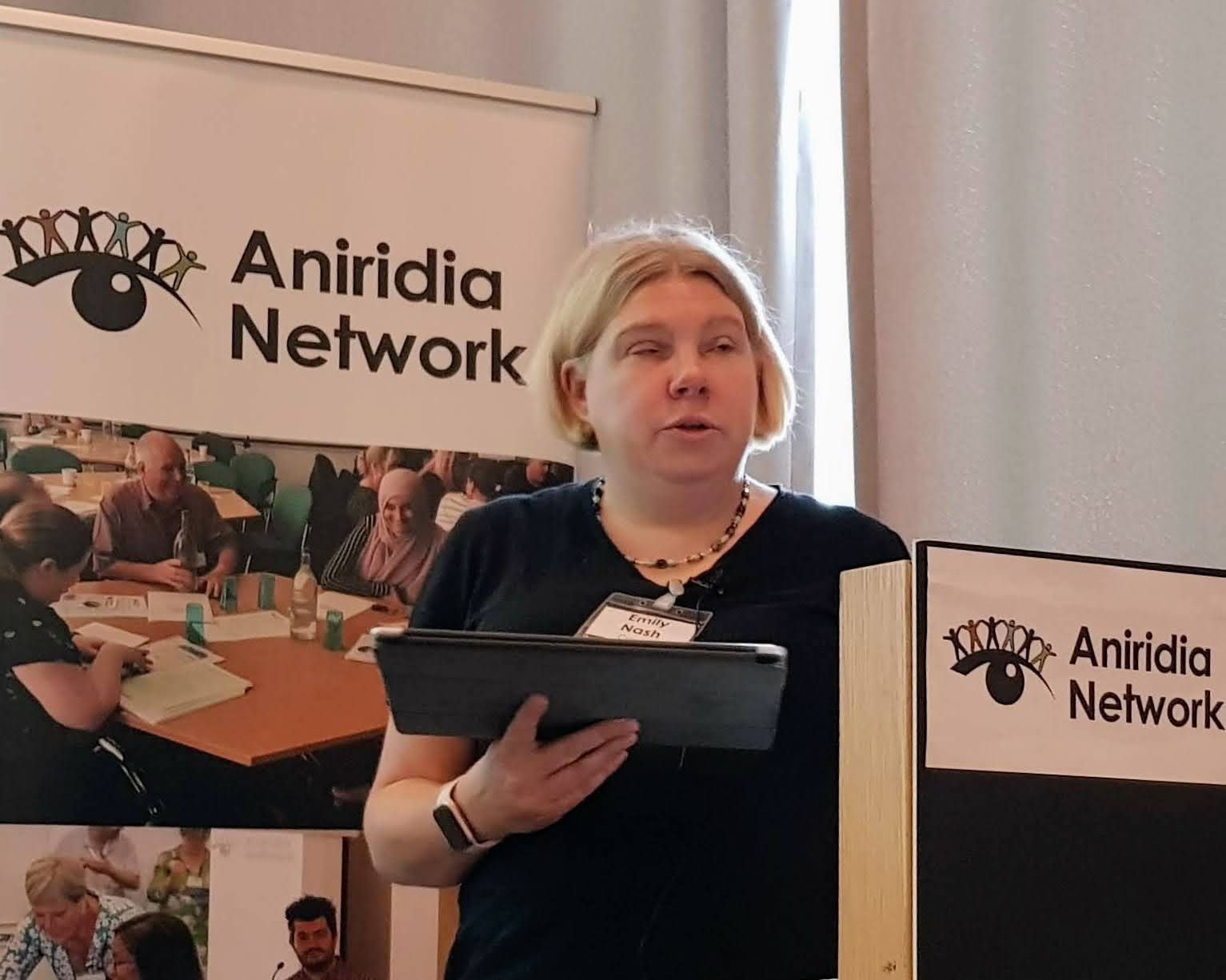
At our conference in Birmingham in September 2023, Emily Nash gave the following presentation discussing her life with aniridia, and her upcoming research study into how the accessibility of transport can be improved for people with sight loss.
The study forms part of Emily’s PhD at Coventry University, and is jointly funded by the university and Motability,
Update December 2023
Emily is doing 30-60 minute interviews about your rail travel experiences – positive and negative.
You would get a £10 voucher for your time and participation.
The interviews will be anonymised and used to inform future studies looking at how better to support travellers with sight loss, be more confident and independent in their travel.

To register your interest contact nashe5@uni.coventry.ac.uk
Here is the video and transcript of her conference presentation.
Transcript
[Emily] Good morning everybody, thanks for inviting me to talk today.
My presentation today is in two halves. So the first bit is I’m going to talk about my personal experience and some of those things Helen was just touching on in that question session.
So I will talk about my personal experience as both a patient with sporadic aniridia, so definitely that journey about learning and exploring aniridia for the first time. But then I’m also a parent of two children with aniridia, so that experience as well.
And then the second half of my presentation is regarding my research that I have started earlier this year at Coventry University, jointly funded between Coventry and Motability, looking at accessible transport for those with visual impairment.
So just to start off talking about my journey really, I’m just going to reflect on my life and my experience since I was born with aniridia.
So looking at how I wanted to really fit in, looking how I went and explored the world, but then probably more recently really learning about the condition, finding others with the condition and then looking for that support.
Because I’ve definitely got that experience of having to navigate it, taking time and actually being quite a bumpy journey along the way.
Helen in the discussion just talked about experiencing sight loss as an adult and I would definitely say that that’s how I felt really, that I was born with a visual impairment that was quite stable until I was about the age of 25, and that’s when I started seeing that deterioration.
So in terms of my school life, I was born with sporadic aniridia as I said, the third of three children and I went to a mainstream primary school and secondary school, but I had no formal help there.
I had some helpful teachers who would do the odd thing off their own back, but there was no real structured approach to any support I had.
And I found that this was quite a lonely experience at times, that I didn’t have anyone to talk to about what it was like to have a visual impairment or perhaps to find strategies. So everything I learned really was by trial and error and therefore took time.
But I see quite a different experience now for my children, who’ve got coordinated care, both within their school with teaching support, but also the visually impaired teachers from the local authority as well.
And it’s certainly a much more coordinated approach, with a psychological component I think as well, so the ability to talk about the condition, but then access to other social events as well. So I do definitely think that is quite different.
When I was in my 20s, I still didn’t really know anybody else with sight loss. I was still quite convinced that I could probably do the same as everyone else and I set off to explore the world really and my vision certainly didn’t have as much impact as it does now.
But I travelled independently to Australia and New Zealand. I’ve also lived around the UK as I went to university, and I studied psychology and then later physiotherapy at Cardiff University, which really started on my career managing personal injuries, and really advocating for the psychological and physical interaction really, in this kind of injury management, but I think any conditions really.
And I think that’s still an area that is lacking really is the psychological support. And I also played ladies football really.
So up until this point I probably knew very little about aniridia and I certainly hadn’t met anybody with aniridia.
But as I said, when I was in my mid-20s, I did begin to see a deterioration in my sight. And it was only my consultant at the time who said: “Go away. Go away and look at what we know about aniridia and what treatment options there are.” Because some of the surgeries, stem cell transplant, those types of things were just beginning to come around and available.
So I was a student at the time, so I spent the day in the library, going and having a look, and suddenly began to learn about what aniridia was and its wider implications as we’re going to hear today, beyond just the lack of the iris.
I was lucky enough to be referred, or I think I was lucky enough to be referred really, to the Queen Victoria Hospital in East Grinstead, where I’ve had my care since 2005. And going to a centre of excellence really has just made a massive impact on being able to preserve my eyesight I think, and being able to learn and understand how to do that really.
So since then I’ve had a number of surgeries. I’ve had stem cell transplants, I’ve had a Morcher lens inserted, I’ve had two cataract surgeries, and more recently two corneal transplants.
But I think really being able to know and understand about the condition has really allowed me helped, but they are a time commitment, they have been a travel commitment to get to East Grinstead, and a medication regime afterwards. And I’m still on a cocktail of eye drops today, which takes its toll in terms of completing every day.
I do think this knowledge has really helped me navigate for my children as well, what they require and what they’re likely to require, particularly when they’re young and they’re unable to tell you. I found this really useful when they were preschool, because I think it’s quite hard and a lot of the health professionals I worked with don’t know much about the condition either really.
So I think to give an indication of perhaps what the sight was like or what might be needed was really useful.
It was only really when my son was born – so our first child was born in 2014 – that I really decided I wanted to go and meet others with sight loss. So that’s only really a decade ago.
So I’d spent most of my life not knowing anyone else really with sight loss, and not appreciating that we all have such common experiences really.
So I became quite a passive user of Facebook and saw many of the group discussions. I also joined Aniridia Network and became a trustee, many years ago now, which was also useful in just understanding the condition.
And now more recently for me and the children, I’ve joined a variety of both national support networks, so things like the British Blinds Sports, but also a local support group for me only last year, which is an adult group of working age who go out and do activities.
And for my children there’s a local… it’s called UCAN, but it’s a children’s activity charity really.
And so really it’s only over the last decade again that I’ve just really kind of explored that support that is required.
And I think the support that all three of us requires is quite different. And that’s probably something I hadn’t appreciated before having children really, that I knew that I would understand the condition, I would know what they would probably need or experience.
But what I probably hadn’t appreciated was the resources to try and navigate three times through a system. I mean it does feel that really, that things aren’t combined, I’m having to repeat the same journeys for each of us.
But we do have a variety of different supports, including educational support for the children, I’ve accessed the disability student allowance and access to work in the bits that I’ve done. We both have social services support, so direct payments.
And I’ve had white cane training, but again they’re two different systems, adult and child services, which is sometimes challenging. And then I’ve used some of the charity supports as well, so I’ve currently got a guide dog application in, I’ve used the RNIB telephone counselling for that psychological support, which I think is just so important. But I’m still finding it hard really to find local social groups and local social activities for us all.
So if I was to just reflect what would be my tips or summaries, in terms of what I’ve learned for somebody with sporadic aniridia, and I think learning about the condition has just been really key for me, just to make informed decisions and really understand what we might require, and why the children are different, why their experience is just quite different to me.
I think talking about what it means to have a disability is really important, and I think as a nation we’re doing that more, but I think people still find it really hard to understand the daily impact and the accumulative effect of having to take more time to do every activity, or the regular medication every day, and I think that’s somewhere that we still need to be educating a wider population on.
As I said, psychological support for all long-term conditions, and I found this quite hard to access. Because yes, as I’ve had more sight loss, the challenges change the support you need, and you’re almost starting again, but there aren’t really any services to support that.
And then lastly, really, I just want to be actually contributing to some of our solutions really that will make a difference, and that’s where my research comes in really. That’s where my journey with aniridia has taken me to the National Centre for Accessible Transport (NCAT).
So I don’t know if many people have heard this, it was on the news at the start of the year, where Motability have put £20 million worth of funding into a consortium based at Coventry University to look at accessible transport for all disabled people.
The focus is very much that there is still a gap between disabled and non-disabled users of public transportation, so that’s everything from your taxis to airlines and everything in between.
And so they found, in 2022, they reported that disabled people make 38% less journeys than those non-disabled users. But this statistic has not actually changed in the last decade, despite things like the Equality Act in 2010, the Inclusive Transport Strategy in 2018, which have been designed to encourage inclusion, yet we’re not seeing difference. And as Helen said, in terms of lack of research, there is certainly a lack of evidence in this area.
So there are a number of projects being supported, but the three of us on the left-hand side of this picture are all PhD students at Coventry University, and in order to be able to apply for the course, we all needed to have a lived disability, so a lived experience of a different disability. So I’m looking at sight loss, the others are looking at manual handling on airplanes for those with mobility issues, and also quality of life of what access to transport means.
So that just takes me on really to talk now a little bit more about my actual research, and so this is just the background to what I’m going to be doing and what I want to be looking at.
So as I said, it is a PhD, so it’ll be a three-year program of which I’ve only just really started. But I think just in terms of vision, we know that it can give us rich information, it can tell us about perhaps risks, it can tell us about the environment around us, perhaps the climate, but it can also give us emotion and also that memory of past experience.
But what does it mean when we’re trying to get around and we don’t actually have that vision?
Accessible transport is just so important in order for us to access healthcare or employment activities, but also social activities. And all these are just really important aspects of just feeling part of a community.
As I said, there is limited research really, in terms of accessibility to transport, and we know it’s also quite varied around the UK. If you talk to people in this room, we’d all have quite different experiences, and that’s quite a challenge really. And there really is a lack of evidence of looking specifically at sight loss as opposed to other disabilities.
And certainly with the trains, currently an accessible station is classed as step free. It’s not necessarily looking at, is there tactile paving, where’s the presentation of signs? So it’s quite limited, currently the guidance in terms of what constitutes accessibility.
So the RNIB have estimated that there’s 410,000 people of working age with sight loss, and this is obviously a variety of conditions. And the Vision Strategy of 2008 really wanted to ensure earlier diagnosis of eye conditions, improving eye health, but then also providing effective support once people have had a diagnosis. And really it’s this area I feel that just still hasn’t really reached its potential in order of supporting us.
So in my research, I am looking at all those with sight loss. So Helen did mention a number of different conditions, and I think similarly, in this space really, a lot of the research has been done with people with macular degeneration of an older population, whereas I really just want to make sure that I’m just capturing the voices of all those with sight loss, whatever the age and whatever the stage as well.
Because I think there is so much variation in sight loss and what people need, and I certainly think even what my children require to what I require is quite different, and I don’t think that’s really currently taken account of.
So I’ve talked already a little bit around my experience with aniridia. But as I said, my sight began to deteriorate when I was 25. But now I really find that detail is a challenge. I can’t read normal print and I can’t recognise people’s faces.
And while this isn’t my vision per se, it just gives that idea really of how our vision differs. But for a traveller, they need to be able to know where they want to get to and know how to be able to get there, avoiding things like street furniture, other people, or signage posts.
So to date, really, guide dogs and white canes have just been associated with mobility. The guide dog’s job is to get you from A to B, it isn’t able to give you that feedback on the environment. And similarly, the white cane may be able to tell us about the presence of kerbs or tactile markings or steps.
But there’s so much more we need to know in order to navigate transport systems and be able to get to our destinations. So we’re just going to consider some of these.
So there’s a book by Goldsmith in 2018 that looked at the mobility of visual impairment, and looked at all the components of orientation and mobility. And certainly my experience is that I’ve had very limited orientation and mobility input.
I’ve had a couple of sessions to use a white cane, but very little other support in terms of how I get around, either like locally or more nationally. And everything has been by learning it myself.
If you just think of a station, things like landmarks are commonly used by those with sight loss. So we might use things like a statue or a bench or a clock. But people may also use the colour of railings or the numbers of pillars to know where they are.
And people in this room could actually probably describe in more detail than your average person, perhaps their route today here, and what you passed, because then that begins to form our cognitive mapping really, of our memory and how we get around. And it’s that cognitive mapping as well, that is really just a learned skill for those with visual impairment, which allows us to build the map.
And when we’re getting around, we’re doing it from memory, rather than using those visual cues. And that’s why, things in our houses are so important, that perhaps that we’re not moving those. And just having things like your tea, coffee and sugar in the same order is just quite important.
So there are some local initiatives from a transport perspective. But they’re all local, as I said really.
So for example, South Wales have a confident traveller programme, where they take out groups on their network for days out in order to try and get them used to the network, and therefore be more confident in travelling independently. Virgin have installed these large print tactile maps on their East Coast line.
But there’s currently a lack of consistency and a lack of sharing. So each train company who manage their stations will have an accessibility group, and will look at doing some initiatives. But there’s not really that sharing. So travelling from Cardiff to here, I’ve potentially travelled through three different travel company stations, and they’ll all be different.
And so certainly my experience of coming from Cardiff to England is they don’t use the passenger assist app. So Cardiff can’t use it because of bilingual laws. And suddenly it breaks down that support. So there’s a real need to understand what’s working and perhaps what’s not.
And so the RNIB’s also just done research which they released in April 2023, looking at inclusive journeys. And they also reported that 37% of those with visual loss found it difficult to use public transport. But then over 80% felt that they needed assistance going on an unfamiliar journey compared to a familiar journey. So we know that that experience has an impact too.
But we need to be able to help people find the red train sign at a station, maybe the entrance to the left hand side or be able to navigate the steps.
So my research is going to use the visually impaired community with a variety of methods. So I’m still yet to determine how I might do this. But certainly it will be surveys and questionnaires with people. And that’s what’s typically been used so far.
And one example, they did a study in 2018 of London Transport and they interviewed 13 people, looking at their experiences, and how they found that the turn up and go assistance was for a whole journey. And that’s maybe not what people required. But things like access to the Freedom Pass did give them some better access to transport.
But it’s very much a recall of people’s experiences. And we know that our recall is… you’re quite often going to recall when things go wrong, rather than when things go right. So they’re good at identifying barriers, but are they good at identifying what we’re doing well?
So we still got a good proportion of people with sight loss who were able to navigate from their front doors to their desired locations, using a variety of skills and knowledge. And that is what I just want to try and understand more.
So I’m just going to look at people actually, while they’re travelling, looking at having a diary, so an ethnographic study.
So it will be at the time just being able to record what type of aids we use. So it might be guide dogs or white canes, but it could also be monoculars, magnifiers, that type of thing, as well as different types of apps. So there’s quite a few out there, perhaps like your GWR or Trainline app, but also those a bit more specific for those with sight loss.
But certainly the RNIB found that there was quite a variation and not everyone was using these technologies. So just trying to understand why are we not taking them on board and using them. But then also understanding what skills or what prior knowledge people know.
So we know that if a route is more familiar, that we are more likely to use it, we can do it independently. So just trying to understand what is it really that we have learned on that way. And then largely what skills. So do things like white cane skills or the ability to use some of these apps and interact with them, allow us to problem solve as we travel?
So this is just currently the level of information that is available when you look at train stations. So it’s just a 2D representation, happens to be of Coventry. But I think this is quite difficult information to support travel.
And we know that you don’t go to many conferences where, like Aniridia, have given the detailed instructions from train stations. But that’s what we need to be seeing really, I think.
And we are beginning to, there’s a couple of stations now in South Wales where you can go on and you can have a bit more of a virtual tour of a station, which is so much more useful than perhaps just this 2D representation.
But really what I want to be able to see really is a day where we can just have that flexibility that non-disabled users are having with travel, the ability to turn up and go, get assistance for those bits that are important to us.
But also I think, you know, I’ve reflected my personal experience of my orientation and mobility training being quite limited, and I think we need to be providing more skills and knowledge as our transportation systems and our communities get wider and more complex.
I think that training needs to keep pace with it really and providing support. And I believe that’s what will give us more access to all those activities that we want to do.
So my last slide is just the details. If anybody wants to know a bit more about what is happening at the NCAT, there are a number of other projects going on and my details are there as well, if anybody would be interested in becoming involved in my research, that will probably start I would have thought kind of January next year. So January, 2024, I’ll be looking for participants to share their experiences while they travel around.
So yeah, has anyone got any questions?
[Person 1] Hello.
[Emily] Hi.
[Person 1] More of just a… yeah, I think it’s really… listening to what you’ve said, it’s really, really important.
I think some of the positive things that you say about South Wales come from some of the customer first work that’s being done on the part of Transport for Wales, particularly around some of the work that Geraint does and Confident Traveller schemes and all that. It’s all tied into this thing called Customer First. It’s under resourced, completely under resourced.
I know of no other train operating company that do anything like that. Would you think that something similar would work outside of Wales in the English setting as well? Or do you think it’s… with obviously Transport for Wales being owned by the Welsh government, there’s a definite responsibility there. The train operators in England, they don’t have that.
Do you think that’s something that they should be doing as a matter of course?
[Emily] Yes, definitely. I think they should be. I think this is part of the challenge really, that there’s no consistency.
But then also I think it means then, for us being able to access that information, you’ve almost got to go and look at what each train operators are doing.
And I’ve learned so much in the last six months about how to travel, because I happen to be doing a PhD. That’s crazy, isn’t it really? I’ve got 40 years of experience of sight loss, and I’ve learned stuff.
And we’re learning stuff from each other, sitting in a room like this and sharing tips. Which is great, but that shouldn’t really be the way that we’re supporting people in the long term really.
So yeah, I think there needs to be a bit more of a change and a bit more of a responsibility across the rail network to be coordinated. And to have some of that, yeah, this is actually kind of making a difference. But I think it’s unfortunately then getting into each train company to find out what they’re doing and what their accessibility groups are doing.
[Person 1] And then my second question, if I’m allowed one, is about the bus pass and rail cards and travel cards in general.
Because the system is so complicated, and there are different concessions in different areas, and different concessions for people from different areas. The system is so complicated, not even the poor bus drivers, guards on the trains, whoever, nobody knows how the system works.
And it becomes even more complicated when that gets tied up into rail and all sorts of things and half off in Scotland, but only if you’re Scottish, you get it free. It’s such a complicated system across the whole of the UK.
Is there any movement towards streamlining that and simplifying it at all?
[Emily] Not that I’m aware of, but I do believe that it’s ideas like that, and issues like that, that the NCAT initiative really has been set up for. Because I think if you get rid of like barriers like that, do you actually instantly almost make it more accessible to travel?
Because otherwise, you’ve just got another thing that you’ve got to go and research and understand before you’ve even left your front door. And I think there’s this huge amount of time spent in planning your journey, whereas, you know, why should we be doing that?
And yeah, I only learned on the South Wales Confident Traveller program that I have a, I happen to have a Disabled Railcard, because I do travel around the UK, but not everyone does. But if you just show your bus pass, which is free in South Wales, then you automatically get a discount. But nobody knows that. So nobody knows some of this information. And yeah, as you say, if you ask on the trains.
So no, as far as I know, there’s no movement on there. But I think NCAT is now the platform that we can start to address some of these things on a national level, because it needs to be national. There’s no point in Wales itself or Scotland or anybody saying: “Well, we’ve now got a streamlined system, but it doesn’t matter how often do I travel into England really. Thanks.
[Person 2] Do NCAT have a plan to inform the mobility people who are teaching the kids? Because I’m aware Hannah had lovely cane training skills as she’d say, but when we start asking about “Oh, are there any apps she could use?, absolutely no knowledge whatsoever.
[Emily] Yeah, I think it’s a real challenge across healthcare, the whole of healthcare. The professionals are all a little bit scared about what technology to suggest to people.
And yeah, I mean, I find that as well, because of this, I’ll go and ask anybody, “What do you know about these apps?” But it shouldn’t require that really.
I’ve got a contact, so it’s my children’s actual mobility trainer, who’s got a particular interest, actually, because they can completely see that, yeah, there is this gap.
And so yes, as part of my study it is something that potentially… do I want to focus on, yeah, that type of area really.
Because I think there are some really good things that the children’s services are doing, but it’s still, yeah, not quite… there’s still a gap where you come into the adult and the wider world of how to use apps.
But yeah, I think they’re completely underutilised. And that’s one thing that I would really like to explore more is how we just all learn to be able to use the apps.
Because I think it’s all very well saying, well, there’s a good app called Seeing AI, but it’s effort. If you’ve got sight loss, it’s effort to get your phone out, download it, have a look where the controls are. And suddenly, you’re a bit like “I don’t think I want to do that anymore.” Because I’ve also got to learn how to cook my dinner or find this route or something.
So we’re just not going to do it just by people signposting saying there’s a useful app there. I think we need people to actually support us to use apps.
And I think things like that, I think virtual reality could give us an experience of getting to train stations and what they’re like. I don’t know how many people came through Birmingham New Street – how do you find the exit to Birmingham New Street?
[Audience laugh]
And you know, all my visual friends say exactly the same. So even those with with full sight go: “Yeah, I don’t know. I don’t know how we get out of Birmingham New Street.”
And so I think being able to just be able to see before you travel somewhere, where your tickets are, where your toilets are, where you can get a coffee.
Because it’s the whole experience. It’s not about getting to Birmingham. I want a coffee when I want a coffee, not just because someone’s walked past with a trolley or something. I want the same availability as other people.
[Person 3] I think we need to be really careful not to… I think often people throw apps at us as a kind of perfect solution. Because they’ll say: “Fred down the road, he’s fantastic. He’s a super user. He can do everything with Seeing AI or Be My Eyes or whatever.”
And I think actually, I really struggle with that for all kinds of reasons. The fact that I’ve got my guide dog in one hand, I’m holding my shopping in the other. And so what do I do, balance my phone on my nose or something? I think we just need to be a little bit careful that, yes, these tools are great, but they don’t replace really good rehab training.
[Emily] Yeah, and I think there’s that real balance really between, yes, smartphones are great, apps are great. They have probably really given us an avenue.
But yeah, so many people lose their batteries, run out of batteries because they’ve used it for these other things. And I’m outside… you know, probably most of us in this room, you’re outside in the sunlight and actually it becomes really difficult to use. So yeah, I think there’s all kinds of things.
Yeah, so I would really encourage people, when I am looking for participants really, to just come and have your say.
[Person 3] Just really quick, this is really quick, but I work for the RNIB campaigns team, and we have a whole load of work around inclusive journeys.
There are nine of us across the country. Eight of us are actually severely sight impaired. Two of us have aniridia. So actually, we’re a really good team to have involved.
And I don’t know whether you’ve done any work with Erik Matthies, our Policy Officer for inclusive journeys?
[Emily] No, I’ve spoken to your research team. Is that part of you or is that someone else?
[Person 3] They’re separate.
So I’ll give you our details, because it would be great for you to be involved.
I think that’s part of the problem with RNIB sometimes, is that the research team, the voice of the customer and all that, sometimes they don’t always communicate well with us. But we’re there on the ground so we can get local knowledge for you or we can put the word out for you. We can get participants, we could help you.
[Emily] Definitely, I’ll come and speak to you, yeah, thanks.
[James] Thank you very much. We need to move on I’m afraid, but Emily’s around the whole day. So please do catch her and have more conversations about this, it sounds like a really good piece of work. Thank you very much Emily.
[Applause]
Thank you to Glen for the video editing and write-up.
People with aniridia are needed for a research study about worsening sight, whether you have dealt with it or may do in future.
Aniridia usually results in low vision from birth. At some point conditions such as cataracts, glaucoma or cornea disease often obscures vision more. This research will explore your thoughts about the occurrence or prospect of this and how having sporadic or familial aniridia affects your mindset.
The study is being done Helen Campbell, a masters student from the Cardiff University Centre of Medical Education, with the support of Aniridia Network. We are all keen to learn about your understanding, feelings and what can be done to help.
More details are below. The video is of Helen talking about the study at the Aniridia Network Conference 2023, where she answered questions from the attendees (transcript below).
Participants needed for research exploring the psychosocial impact of deteriorating vision for those with familial and sporadic aniridia.
We are looking for adults (aged 18+) who are affected by aniridia to take part in a research study that aims to explore the experiences of those with sporadic and familial aniridia and deteriorating vision in adulthood.
This research will help to shed light on how people experience aniridia depending on their experiences of life, family and their vision. This will help to plug a significant research gap, and will help Aniridia Network to understand more about how they can best help and support their members.
Participation will involve an interview with a researcher for approximately one hour via Zoom or telephone call.
For more information about the study, you can read a copy of the participant information sheet and consent form in the following formats:
This project is part of a dissertation that will be submitted in partial fulfilment of the requirements for the MSc in Genetic and Genomic Counselling, Cardiff University, and is supervised by Professor Marion McAllister. This study has been reviewed by and received a favourable ethical opinion from Cardiff University School of Medicine’s Research Ethics Committee
Transcript of Conference presentation video
[James] I’m especially delighted to start today off by celebrating the partnership that we’ve been building with Cardiff University. A couple of their genetic counselling students have been doing a placement with us, as it were, for their dissertation. And the first of those is Helen Campbell, and she’s going to tell us the research that she’s doing and how she’d like you to take part in it during today and the coming year. So please welcome Helen.
[Applause]
[Helen] Hi, everyone. Hello, can you hear me ok? Yes. So yeah, it’s lovely to meet you all. Really nice to be here. I’ve been looking forward to the conference for a while. So yeah, hopefully it’ll be a really good day.
As James said, I’m going to be talking a bit about a research project that I’m going to be doing over the next year about aniridia and the experiences of those with aniridia, and hopefully by the time I’ve finished talking, some of you might be interested in getting involved. So please do let me know if you would like to. So just an outline of what I’m going to talk about today. So first I’m going to say a bit about me, then I’m going to talk about the research topic and the aims of the study, then I’m going to talk about current evidence and why the study is needed, what the research will involve, and then we’ll finish up with a discussion and open the floor to any questions as well.
So I’m Helen and as James said I am an MSc student at Cardiff University, and I’m in my third year doing a course in genetic and genomic counselling. So I’m doing that approximately two days a week. About three days a week I have recently started as an eye care liaison officer in Chester, or an ECLO. I’m sure many of you are familiar with what an ECLO does, but it’s essentially being in an eye clinic and helping people with emotional support, referrals to practical and information support and that thing, for people who’ve recently received an eye diagnosis. And a big part of the role is also helping people with the process of registering a certificate of visual impairment as well. So, as I say, I recently started that, but previous to that I’ve had about an eight-year career in research and impact measurement in charities.
So I’m going to talk about the research topic now. And the reason I’m up here today is because about 18 months ago I got in touch with Katie, one of the Aniridia Network trustees, to talk to her about doing some research with the Aniridia Network. She said that one of the areas of interest for the trustees was to look at the varied experiences of those with sporadic aniridia – aniridia that arises for the first time in an individual – and those with familial aniridia, so those for whom a family member already has aniridia. And they were interested to look at the experiences of those two groups of people and see whether there was any differences in their experience, and the psychosocial impacts of the condition and how it plays out for them. And another area of interest was looking at the impact of people experiencing further sight loss in adulthood. And these areas seemed really important to look into and also very aligned with my research interests. So together we came up with a research question, which is what I will be looking at over the next few months.
So I’m going to read out the specific question now and then I’ll break it down a bit, because as with lots of academic things, it’s a little bit wordy. I’m personally contesting with that on a day-to-day basis. So the question itself is: Comparing the psychosocial impact of further sight loss in adulthood between people with sporadic and familial cases of aniridia.
So firstly, comparing the psychosocial impact. Psychosocial relates to basically anything to do with emotions, quality of life, experiences, employment, relationships, social life. So it’s really things that aren’t to do with the clinical experience of someone’s eye condition. So that’s quite broad really. Further sight loss in adulthood, so specifically looking at the experiences of those who’ve already had some degree of sight loss, or were born with some degree of sight loss. And then again between people with sporadic and familial cases of aniridia, and really trying to tease out any similarities that might exist, any differences and looking at those things.
So, leading on from that question, there are four distinctive aims of the research, which are –
to explore the psychosocial impact of further vision loss and the anticipation of this in adulthood for people with aniridia,
how having a family member with aniridia or not contributes to participants’ experiences of aniridia,
the role of family relationships in shaping identity,
and finally what, if any, differences in support needs exist for people with familial and sporadic aniridia.
So I thought it might be useful to maybe talk a little bit about what we know so far, in terms of published evidence on this question. So I’m going to go through a few slides about what we know at the moment about this area. There’s a bit of a caveat here, which is that these are some initial impressions of the literature. I’m going to be doing a much more thorough literature review as part of my dissertation. But yeah just some initial findings really when you have a look at this question.
So firstly thinking about research into the psychosocial impact of sight loss, there’s a substantial amount of evidence out there about this at the moment. Most of it relates to age-related sight loss conditions like age-related macular degeneration, but there are some studies that show that there are some impacts on self-esteem, emotions like anger or anxiety, and some depressive symptoms as well, and also thinking about social isolation. So that broadly could be useful research, but as I said it’s mostly to do with age-related sight loss conditions. So there are quite a lot of what we call confounding factors there So many of these impacts might be more related to experiencing older age and becoming more isolated or other aspects of that, rather than the sight loss itself. So helpful, but there are some limitations within this evidence.
Next, what’s out there at the moment in terms of the psychosocial impact of aniridia? So there’s very little published evidence out there at the moment, except there are some case studies in a book by Nerby and Otis, the “Aniridia and WAGR Syndrome, a Guide for Patients and Families” book, which takes the US perspective into aniridia and WAGR syndrome. And there’s a chapter in that book which has 19 autobiographical case studies from people with aniridia, who are talking about various aspects of their lives and their experiences. And again, it’s really good at bringing insights from those people and providing a really deeply personal reflection about their experience. But in terms of applying it to my research, there’s some limitations with it, relying on an experience from the USA. And it’s looking at aniridia as a whole, rather than zooming in on the impact of further sight loss. So yeah, useful but again some limitations to applying on it. There are also some studies that have been done by Galina Gening. I’m not sure about the pronunciation of that. But she has done some questionnaires looking at the psychosocial impact of aniridia, which have found that again there are some emotions around anxiety and frustration, self-doubt that can be reported in those with aniridia. But because they were very structured, multiple choice questionnaires, there wasn’t a huge amount of opportunity to go fully fleshed into the deeper emotional experience behind these. So a broader remit than this study, but there are some useful themes that are identified.
Apart from that, it’s quite difficult to find any other research that specifically looks at aniridia, although there is some information out there about overall psychosocial impact of genetic eye conditions. So there are a lot of studies that look at other genetic eye conditions such as albinism, Usher syndrome or retinitis pigmentosa. And a review from 2020 summarised some of the findings from these studies essentially, and summarised them into a number of different areas and themes. So again very useful research, but there is limited application to my research question, because a lot of these conditions also have an impact on other areas of life, such as dual sensory loss or altered pigmentation of the skin. So there are some complexities in trying to generalise findings from those studies to the experiences of those with aniridia.
And then finally, looking at the evidence that compare studies between the experiences of those with sporadic aniridia and familial aniridia, I’ve struggled to identify any studies which really look specifically at this. And as you can imagine, it could potentially be a very interesting area for any genetic condition really. So yeah, there’s a fair amount of gaps in published research that highlight this question or help me to answer it at the moment.
So going on to what the research will be used for, the really big one here is to help inform how Aniridia Network can best support its members, to see whether there are different support needs or what they can do to provide that further support if necessary or not.
And it’s also going to be useful to give a greater insight into the experiences of different groups of people with aniridia and inform provision of support by clinical genetic services as well. As I’m studying to be a genetic counsellor, that’s one thing that’s really at the forefront of a lot of genetic counsellors’ minds about how we can best do referrals or provide support to people in that sense.
So I talked a lot about the question and what it’s going to be used for, but what’s it actually going to involve? Essentially it’s going to be a recorded interview, either online through Zoom or similar, or through the telephone with me for up to one hour. And I’ll be recording that and then I’ll be going away and transcribing it and pulling out different themes from that and writing up the research from there.
So it’ll be about one hour of your time. In advance of that you’ll have to read the participant information sheet and sign the consent form, which is going to be an accessible online form, or I could do it over the phone as well if that’s preferable. And the interview itself is going to be completely anonymised for the purpose of the research and confidential, and the data will all be dealt with in a very compliant way, which will all be detailed on the participant information sheet. But let me know if you’d like any more information on that.
And if anyone is interested then I’d really like to have a chat today, essentially. So I’ll be here all day, so please come up and have a chat with me. And yeah, we’re still finalising everything with the recruitment process. So yeah, to sum up, we’re really trying to get a deeper understanding of the experiences of those with aniridia out there and known a bit more.
One of the outputs of the research is obviously my dissertation, I’ll also be writing a blog and a more executive summary for the Aniridia Network website, and I’ll hopefully be trying to publish the research at some point as well. So making this so experiences of those with aniridia more out there to the wider world. And yeah, if you’d like to help me do this, please let me know and I can take your details.
So, does anyone have any questions? Or I thought it also might be interesting to get people’s thoughts about experiences of those with familial and sporadic forms of aniridia. But yeah, maybe we should go with questions first! Yeah.
[Woman] Would you say there’s a gap then in research in general, as compared to other conditions, for aniridia? Would you say that there’s a definite research gap?
[Helen] Yeah, definitely. The review that I mentioned, it’s from 2020, and they did a literature search on basically a whole wide range of genetic eye conditions and then they summarised all of the results from all of that research. And they couldn’t find one study to include on aniridia. So most of them were the conditions that I named like retinitis pigmentosa, Leber hereditary optic neuropathy, Usher syndrome and albinism as well. There are a few other ones in there, but they couldn’t find any published studies to do with aniridia. So there’s definitely a gap there. What was that? Sorry.
[Man] I said it’s quite a surprise.
[Helen] Yeah.
[Man] So I think again my follow-on question there would be how do we promote studies then? How do you think the next steps in terms of how do we get that started?
[Helen] Yeah, well, I think the partnership that the Aniridia network’s been building with Cardiff is really, really useful for that. We’ll hear from Emily later about the research that she’s done, so it’s a great opportunity for me as an MSc student and for the Aniridia Network to promote it. I think in terms of next steps after today, if there’s anyone else in the network that you think would be interested, or they don’t have to be a member of the Aniridia Network either, I believe there’ll be an email going out generally to members and some information on the website as well. So please let people know if you think they’d be interested. Thanks. Yeah?
[Woman] Me? Okay. Sorry, there’s a bit of a family thing going on here. [Audience laughs] No, but, just from an observational point of view, working within RNIB services and with friends and family and people that I know myself, there is definitely a difference in how people with parents or relatives with aniridia support each other, to the reactions that, you know, sometimes I’ll see things on Facebook, on the groups, and the reactions and the way… you know… if parents have a child with aniridia for the first time, the way they react to that is different to how, you know… my mum and dad… my dad had aniridia, my children have aniridia, and I’ve had myself too, so we’re not fazed by it. And yes, it’s an unusual condition, but we’ve learned strategies to get over some of the difficulties. So there is a difference in that experience. So I think it’d be really interesting to look into that further. [Helen] Yeah, yeah, definitely. Yeah, I think it’s hard to speculate, isn’t it? But I definitely think there’ll be some themes around that and familiarity with services and clinics, and some of the language and things may well play a role.
[Woman] It’s a postcode lottery also, I think, it depends on what your doctors are like and how familiar they are with your condition too.
[Helen] Yes, yeah, and navigating all of that, having a heads up on it may well change that, both potentially positively and negatively. But yeah, that’s good to get your insight, thanks. Yes, the lady in the middle.
[Woman] I’ve actually done your survey. I did an interview with you, about me, possibly, but I just wanted to concur with the lady over here that people like myself from families, there’s four generations and five of us in my family, all with aniridia, my mum being sporadic to the way that she was brought up, albeit that some of it was because of medical ignorance, if you like. And people didn’t know how to deal with it. But her experiences were totally different to our experiences as second, third and fourth generations. Thank you, yeah, that’s really interesting, and I think it’s those sorts of insights that will really help Aniridia Network to think about what do we need to put in place for maybe people with sporadic aniridia, to help with that familial knowledge and the absence of someone already in the family. But yeah, that’s interesting that those two themes are already emerging a bit.
[James] Anything else? Ok, thank you very much Helen… oh, sorry…
[Man] I just want to speak to somebody that doesn’t have aniridia. But I’m married, my wife’s got aniridia and my two children have aniridia, but it’s still a shock, because some people don’t have it, they don’t get it at all, their children are perfect. But I’ve noticed my children’s children seem to have aniridia but have underlying problems as well. It just seems to be getting worse rather than getting better as the generations goes on. I just wondered if you could research anything into that. Because you’ve got two and then all of a sudden you’ve got nine. It’s hard to get your head around why some don’t have it and you end up all the children have it. And I’ve got good eyesight, I can’t figure it out, I’d like some research I can look into, to say why is this happening, or is it just me that’s cursed, you know?
[Helen] Right.
[She and man laugh]
[Man] I don’t mean cursed for people that’s got aniridia, I don’t mean it like that. I mean, how does that happen, the odds, you know?
[Helen] Yeah, yes, yeah. I think those sorts of questions around the probability of this stuff arising in people and things, genetic counselling is really the way that the healthcare… So I don’t know if you’ve ever encountered a genetic counsellor. Many genetic services take self-referrals, and their job is essentially to sit down with the family and talk through, from a genetic perspective, what’s happening and what the probabilities are. And for a lot of people it is just really helpful working their way back to understand all of that stuff. Because, yeah, you do end up with families where everyone’s got it or where a few people have it. So a genetic counsellor would be good. I’m studying to be one, so I don’t want to give you too many conclusive thoughts on that, but yeah, a qualified one would definitely be able to help with that.
[James] It’s sort of the topic of Vivienne Kit’s talk a bit later, is around that sort of stuff, as to what how does the genetics actually influence the symptoms. So, yeah, we’ll cover some of that. Cool, we need to move on, but please do come and talk to Helen throughout the day and sign up to take part in this research, that’s really good. Thank you Helen!
[Helen] Thank you. Thanks James.
[Applause]
Thank you to Glen for the video editing and write-up.
We held our first in-person conference for 4 years on 2 September 2023 at the Library of Birmingham. It was good to be back together after the pandemic – well, if you were able to get there! Many were: despite the train strikes, there were a 57 people that managed to make it there. Here’s a review of the day interspersed with quotes from the attendees.
When attendees arrived, there was a registration desk in the foyer. Name badges and information sheets were handed out, together with any registration paperwork for completion that had not been done when signing up. Volunteers helped attendees and presenters to locate the conference room and guide those who needed assistance to get refreshments.
It was very beneficial. I had the opportunity to interact with people with aniridia and get their views of the world and the day-to-day challenges.
Sessions covered the subjects such as auditory processing disorder, results of research into use of the internet by those with aniridia, results of the research on the psychological impact of sight loss, stem cell development, the symptoms arising from genetics of aniridia and public transport usage by people disabilities.
I felt reassured that there is a lot of support around. As a parent the highlight of our day was the interaction with other children and it feels great meeting adults with the condition and learning more about it. It made me feel very emotional and gave me a greater awareness of aniridia to go forward in our journey to ensure our child has the right support.
There was also a session by the joint patrons, Veronica van Heyningen and Tony Moore on the changes that they have seen in the management of aniridia and where they see treatment, research and management processes for aniridia going forward.
The sessions had the right balance of research/science and audience friendly content. The speakers did a great job at pitching the content to the audience and being so approachable. Thanks for that.
The annual general meeting formed the more formal part of the day, a requirement for a charity. The trustees, presented and requested approval for the minutes of the 2022 AGM, put the 2022-23 accounts forward for approval. All items were agreed by the meeting. The result of the prior online vote for trustee was announced with Katie Atkinson being reappointed. It was good that the number of votes was double last year.
During the day £90 in donations was received by the information and fundraising stand in exchange for tshirts, hats, books and other swag.
The whole day was a great success. This was confirmed by a lot of positive feedback in the post-event survey some of which is displayed here. Some negative issues were highlighted that we will try to work on for the next conference. Many thanks to everyone who came and especially to those who were involved in the organisation of the event. It was great to reconnect with so many people in person, after four years of virtual events.
This conference is a great touch point to meet others in the same boat as you, to hear of the latest research and make new connections. The internet is brilliant but nothing beats good old fashioned in person conversations. It’s aways heartwarming.
I felt encouraged that research and treatments for various aspects of aniridia and its complications are taking place, moving forward and finding information about the condition which will help future generations.
After the conference many people continued socialising in the bar and then later over dinner in a nearby hotel.
Helen spoke about a research study that she is undertaking with Aniridia Network. She will be conducting a one-to-one interviews with members of Aniridia Network to discuss the psychosocial impact of deteriorating vision in those with aniridia, and exploring the similarities and differences between those with sporadic and familial aniridia.
Helen Campbell is currently studying for an MSc in Genetic and Genomic Counselling at Cardiff University. Prior to deciding to be a genetic counsellor, Helen worked in the charity sector for eight years, specialising in impact measurement and project evaluation. She holds a BA in Natural Sciences.
Emily talked about her experience of having aniridia and how this has impacted her in travelling independently around the UK. For a PhD she is looking at addressing the inequalities that still exist with disabled people accessing public transport. She explained how she wants to use the visually impaired community to guide future solutions.
Emily has aniridia and is a parent of small children with aniridia. She has worked as a physiotherapist for the last 15 years and has recently started a PhD at Coventry University. She was registered severely sight impaired in 2016 and has had glaucoma that has been controlled with medication plus surgery for cataracts and a cornea stem cell transplant. Previously she served as a Aniridia Network trustee.
We identified the PAX6 variants present in our cohort of 86 patients with aniridia, and subsequently allocated patients into six groups based on their mutation type. A retrospective review of patient records was then performed to study their clinical presentation.
This talk discusses the findings of our study, which at present remains the largest in-depth clinical description of PAX6 genotype-phenotype correlation and natural history of aniridia in the UK.
Vivienne Kit is a ophthalmology trainee in North London, with a research interest in aniridia. She is currently working towards a MD(Res) supervised by Professor Mariya Moosajee at Moorfields Eye Hospital.
Postdoctoral Researcher, Dulce de Lima Cunha presented their recently published study supporting the use of readthrough drug amlexanox as a new therapeutic approach for aniridia patients with nonsense PAX6 variants. Results show that this compound increases full-length PAX6 levels and rescues related changes identified in new retinal and corneal models derived from aniridia patient stem cells.
I started researching aniridia when I joined Mariya Moosajee’s lab at UCL Institute of Ophthalmology, where we established stem cell models from aniridia patients to test for new therapies. I have since moved to the Netherlands (Radboud University) where I continue to work with these cells but now from a basic research angle, where I try to understand how PAX6 works and the mechanisms leading to disease.
Norwich born and bred mother and daughter discussed what it is like to live with auditory processing disorder and vision loss due to aniridia: how they affect every day life, relationships and communications.
Abbie has studied to be an occupational therapist and is currently working in hospice.
Bernie is a mum of 3 amazing grown up children:
I work as a Regional Campaigns Officer for RNIB, working to break down barriers that stop blind and partially sighted people leading independent and fulfilling lives. I am totally blind, having lost my residual vision in 1994, as a result of complications of Aniridia. My son was just 11 months old and I quickly had to find different ways of navigating my way through parenthood. Parenting without sight is a tough gig, but something I’m proud to say I’ve done.
I also live with Auditory Processing Disorder, which in combination with my sight loss, makes life extremely interesting! 2 of my 3 children have Aniridia And APD too. I really enjoy travelling, visiting my family in Cardiff, Plymouth and York, local history, reading, making people laugh, and making weird concoctions in the kitchen! I love walking in the Norfolk countryside, especially by the river and listening to nature!
It provided effective support strategies to be used by those who have APD, and detailed the type of support from others that can help them to cope at home, in relationships, in education, and in the workplace.
Alyson’s adult son has APD and other conditions. She founded and chairs APD Support UK, providing information and support groups for those affected by APD. She has also written two books on APD and has contributed to various professional research projects, SEN charity blogs, and other related publications.
Emily presented results of her MSc dissertation project which several the members of Aniridia Network took part in. She is very grateful to everyone who gave up their time to take part in the explorative study which described for the first time some of the experiences, opinions and attitudes of aniridics towards internet and social media use.
Emily Sterling recently finished her MSc in Genetic and Genomic Counselling at Cardiff University. During my final year she was very lucky to work with Aniridia Network to recruit participants for my dissertation project. She has previously worked in a busy ophthalmology department as an imaging technician and has been working as a genomic associate in the north west over the past year.
The careers and observations of Veronica van Heyningen & Tony Moore, the Aniridia Network Patrons. Veronica was also presented with a Lifetime Achievement Awarded.
Four steps forward, two steps back …?
About a person, the core values of Focus Birmingham and breaking down stereotypes of the benefits system. What this individual had to endure on their sight loss journey.
Permjit Bhachu is Information, Advice & Guidance Coordinator at the charity.
Today is World Car Free Day, when all around the world towns and cities allow people to experience streets free of motor traffic. It’s a great chance to re-imagine our streets around people. While not expressly an environmental movement, it’s no surprise that the benefits of reducing cars on the road is at the forefront of people’s minds when the subject of pedestrianising urban areas comes up.
That’s a positive outcome of our world becoming less car-centric, but not the only one. For many visually impaired people, including people with low vision aniridia, it’s not possible for us to apply for drivers’ licenses.
This is a real source of frustration for me. So much so that when I wrote a comic book using superhumans as an analogy for disability, I specifically gave my main character superspeed, having always wanted a way to outpace motorists myself.
Besides the obvious disadvantage of not being able to travel at the speeds and with the convenience and comfort that motorists do, being unable to drive causes a litany of issues for blind and visually impaired people.
Despite the Equality Act explicitly stating that employers have a duty to make reasonable adjustments for people with disabilities, and the fact that Access to Work could easily shoulder the burden of these adjustments for them where commuting is concerned, I’ve personally encountered many job listings which will not take your application unless you check a box confirming that you have driver’s license. These are jobs that do not involve driving in any way: the employer simply cites a remote location as the reason for the requirement, and discriminates against visually impaired people in the process.
Even in an urban area with a robust public transportation system, it’s common to find that the layout of industrial areas or retail parks makes walking through them a huge challenge, or even impossible to do safely, with pedestrian crossings being few and far between, and pavements often being non-existent. Many holiday parks suffer from the same affliction: presupposing that guests will have access to a car.
The problem is compounded by the photosensitivity common with aniridia: crossing the road on a bright day can be very dangerous when the sun is in your eyes, making it difficult to spot oncoming vehicles, with smaller cars and motorbikes being particularly hazardous.
Traffic lights without adequate accessibility features are also a real challenge. With enough ambient sunlight around, traffic lights can appear very faint during for someone with aniridia. This problem would be solved with beeping traffic lights, or a tactile cone to let you know when it’s safe to cross.
The problem is sometimes vandalism, neglect, or oversight can cause these features to be missing when they’re needed. The busy road I live near in Bristol has a set of traffic lights which suffers from exactly this issue. The lights are often bathed in direct sunlight, making them barely visible compared with the bright sunlight around them. The lights have no tactic cone, and don’t beep despite not being close enough to any other traffic lights to cause confusion.
The only safe solution is to use my monocular to see the lights clearly: which is often met by mocking abuse being shouted at me by passing drivers who don’t understand what I’m doing.
So with all that in mind, the rise of movements to pedestrians more of our infrastructure seems very promising to me. I hope that World Car Day teaches people that they don’t have to be as dependent on their cars, and we can built towards a car free future for the benefit of everyone.
I have lived with aniridia since birth; and no matter how many ‘specialised’ doctors you see or how many other people with visual impairments you meet, you still feel isolated, different, and misunderstood. Now I don’t speak for everyone when I say that this is the exact reason Aniridia Network is important.
So, when I received an email invite to an in-person conference in Birmingham; I jumped at the chance to attend.
When I was booking my place, I noticed that it started early in the morning, so I decided to book to stay at a Premier Inn from Friday 1st to Sunday 3rd September, allowing me to make the most of this opportunity. Something I was also grateful for when train companies announced a strike on the 2nd.
There was a mixture of emotions leading up to the conference, excitement, fear, apprehension. I was excited to be able to engage with other people similar to me but at the same time I was scared of meeting these people because what if they didn’t accept me? What if I came away regretting going? All sorts of what ifs and doubts plagued me. Looking back all of the fear and worrying was unnecessary but hindsight is a wonderful thing.
Remember how I said I booked to go up the day before because it would be easier and there was a train strike on the 2nd? Well, that train strike was extended to cover the 1st and 2nd. Which wasn’t great especially as at the time I happened to be over in America. This added to the stress of the event slightly but thankfully I still managed to make it up to Birmingham with the help of family.
The amount of information provided by Aniridia Network to help people was amazing from attaching an agenda of the day all the way to giving instruction on how to get to the venue in a variety of ways from walking a with sighted guide all the way to bus and tram information. I have never been to an event where that much thought and detail was giving to help attendees. This helped ease my fear slightly and made me feel safer knowing that at any time I could check and re check the information as much as I liked without bothering anybody.
Finally, the day arrived, ironically, I think I was more nervous in the lead up than I was on the actual day. I arrived at the Library of Birmingham at about 9:25am and found a seat at a table. Now admittedly at the start of the day I didn’t really talk to people because I was still a bit scared but that soon changed.
We started out the day with a talk from Helen Campbell who is a MSC genetic engineering counselling student at Cardiff university. Helen was looking at the experience of people with sporadic and familial aniridia and those experiencing further sight loss and the psychosocial impact this has. I found this talk particularly interesting as it is something I myself have experienced and gave me hope for the future and how aniridia and sight loss will be viewed and treated.
The next speaker was Emily Nash who was talking about the improvements that needed to be made to public transport. This again was a talk that really connected with as someone who travels regularly and has often been let down by the current system that is in place.
There were also talks from Vivienne Kit and Dulce de Lima Cunha from Moorfields Eye Hospital who were talking about research into aniridia. Next Bernie and Abbie Reddington who were talking about auditory processing disorder.
This was followed by lunch which got a bit chaotic because although we were told what was available it was a buffet lunch which I personally struggle with even when I know what is available, I still wasn’t sure where what I wanted was. During this break I spoke to other people who were attending on a variety of things; from just getting to know them to talking about hospital experiences and what needs to be changed.
Emily Sterling also from Cardiff university talked about knowing that you’re not alone and the use of the internet in aniridia patients. I found this talk interesting; finding out about the different themes found when looking at this such as transformational and empowerment. Many of the quotes given about this topic were also very relatable; this one quote in particular resonated with me:
“in my teen years it was hard to accept my visual impairment”.
Considering this talk was about knowing you’re not alone I would say it was very successful; even hearing the research and quotes made me feel less alone.
Following this we had talks from trustees and patrons as well as Permjit Bhachu from Focus Birmingham.
The conference ended, and many people joined the social at the Rep bar where drinks and conversation flowed before some of us went for dinner at the Novetel Gourmet Bar. Again, here food, drink and conversation continued.
Overall, I thoroughly enjoyed my time at conference and as soon as I got talking to people all of my fear and apprehension disappeared. I would definitely recommend attending a conference to others; not only can you engage with research you get to know other people and everything you have ever felt isolated, different, misunderstood, all seems to fade away just for a while.
I personally will definitely be attending more events that are put on by Aniridia Network, whether that be a meet up or a conference.
If you are considering attending an Aniridia Network event I would recommend attending even if you only go for a short time. The feeling of being around other people with aniridias one that cannot be replicated easily.
Annoncement of results of online vote to appoint Katie Atkinsonas a charity trustee until the 3rd AGM after this one, subject to the compulsory retirement of 1/3 of trustees by rotation at each AGM as described in the charity’s governing document.
Read details of what our officials, members and supporters did as well our finances between 1 April 2022 and 31 March 2023 in the Aniridia Network Annual Report for 2022/23.
First time having a stall at an exhibition and using our new publicity materials.
For first time, made grant to encourage people to attend European Aniridia Conference.
Appointed Tony Moore as new Patron.
Lobbied Department of Health and Social Care about concerns about WAGR & the Down Syndrome Act.
12 enquiries on a variety of topics.
For first time no fundraising feats were performed limiting income.
Very low volunteering even among previously active volunteers.
Changes to Twitter are problematic.
Thanks to the the amazing input by everyone who helped with all these activities.
However, we continue to really struggle to do some basic things well and rely too much on a few very active volunteers. We badly need more people to help us achieve our goals. Please volunteer and fundraise if you can.