
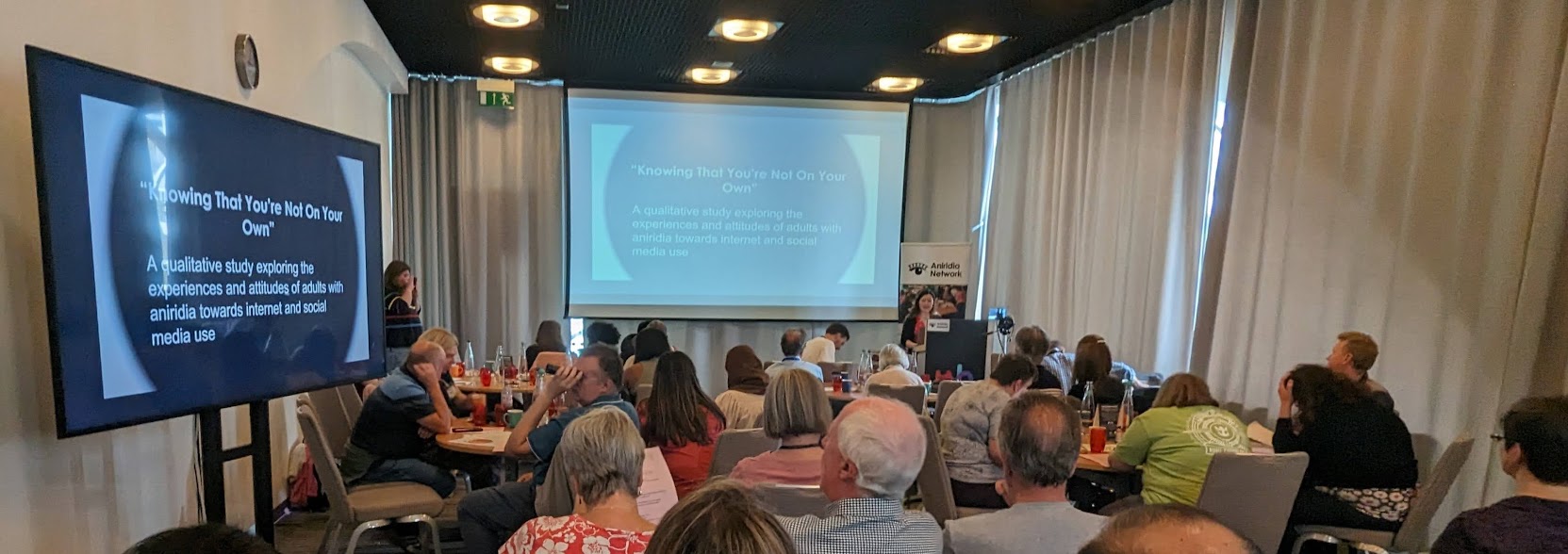
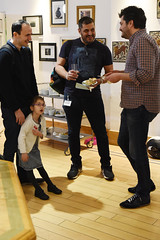
We held our first in-person conference for 4 years on 2 September 2023 at the Library of Birmingham. It was good to be back together after the pandemic – well, if you were able to get there! Many were: despite the train strikes, there were a 57 people that managed to make it there. Here’s a review of the day interspersed with quotes from the attendees.
When attendees arrived, there was a registration desk in the foyer. Name badges and information sheets were handed out, together with any registration paperwork for completion that had not been done when signing up. Volunteers helped attendees and presenters to locate the conference room and guide those who needed assistance to get refreshments.
It was very beneficial. I had the opportunity to interact with people with aniridia and get their views of the world and the day-to-day challenges.

Sessions covered the subjects such as auditory processing disorder, results of research into use of the internet by those with aniridia, results of the research on the psychological impact of sight loss, stem cell development, the symptoms arising from genetics of aniridia and public transport usage by people disabilities.
I felt reassured that there is a lot of support around. As a parent the highlight of our day was the interaction with other children and it feels great meeting adults with the condition and learning more about it. It made me feel very emotional and gave me a greater awareness of aniridia to go forward in our journey to ensure our child has the right support.
There was also a session by the joint patrons, Veronica van Heyningen and Tony Moore on the changes that they have seen in the management of aniridia and where they see treatment, research and management processes for aniridia going forward.
The sessions had the right balance of research/science and audience friendly content. The speakers did a great job at pitching the content to the audience and being so approachable. Thanks for that.

The annual general meeting formed the more formal part of the day, a requirement for a charity. The trustees, presented and requested approval for the minutes of the 2022 AGM, put the 2022-23 accounts forward for approval. All items were agreed by the meeting. The result of the prior online vote for trustee was announced with Katie Atkinson being reappointed. It was good that the number of votes was double last year.

During the day £90 in donations was received by the information and fundraising stand in exchange for tshirts, hats, books and other swag.

The whole day was a great success. This was confirmed by a lot of positive feedback in the post-event survey some of which is displayed here. Some negative issues were highlighted that we will try to work on for the next conference. Many thanks to everyone who came and especially to those who were involved in the organisation of the event. It was great to reconnect with so many people in person, after four years of virtual events.
This conference is a great touch point to meet others in the same boat as you, to hear of the latest research and make new connections. The internet is brilliant but nothing beats good old fashioned in person conversations. It’s aways heartwarming.
I felt encouraged that research and treatments for various aspects of aniridia and its complications are taking place, moving forward and finding information about the condition which will help future generations.
After the conference many people continued socialising in the bar and then later over dinner in a nearby hotel.

Browse the complete Conference 2023 photo album.
Speakers and sessions
Here are details of what happened. Click the headings to see recordings of each session.
Research of Comparing the impact of sight loss between adults with sporadic and familial aniridia
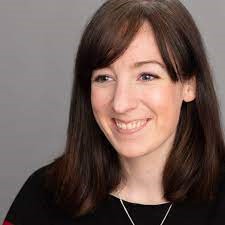
Helen spoke about a research study that she is undertaking with Aniridia Network. She will be conducting a one-to-one interviews with members of Aniridia Network to discuss the psychosocial impact of deteriorating vision in those with aniridia, and exploring the similarities and differences between those with sporadic and familial aniridia.
Helen Campbell is currently studying for an MSc in Genetic and Genomic Counselling at Cardiff University. Prior to deciding to be a genetic counsellor, Helen worked in the charity sector for eight years, specialising in impact measurement and project evaluation. She holds a BA in Natural Sciences.
A picture paints a thousand words – A study to look at accessible transport for visually impaired people

Emily talked about her experience of having aniridia and how this has impacted her in travelling independently around the UK. For a PhD she is looking at addressing the inequalities that still exist with disabled people accessing public transport. She explained how she wants to use the visually impaired community to guide future solutions.
Emily has aniridia and is a parent of small children with aniridia. She has worked as a physiotherapist for the last 15 years and has recently started a PhD at Coventry University. She was registered severely sight impaired in 2016 and has had glaucoma that has been controlled with medication plus surgery for cataracts and a cornea stem cell transplant. Previously she served as a Aniridia Network trustee.
Natural history of aniridia: a genotype-phenotype study of 86 aniridia patients with PAX6 mutations
We identified the PAX6 variants present in our cohort of 86 patients with aniridia, and subsequently allocated patients into six groups based on their mutation type. A retrospective review of patient records was then performed to study their clinical presentation.
This talk discusses the findings of our study, which at present remains the largest in-depth clinical description of PAX6 genotype-phenotype correlation and natural history of aniridia in the UK.
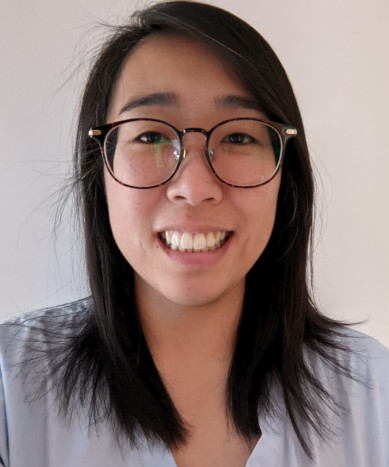
Vivienne Kit is a ophthalmology trainee in North London, with a research interest in aniridia. She is currently working towards a MD(Res) supervised by Professor Mariya Moosajee at Moorfields Eye Hospital.
Amlexanox rescues PAX6 levels in aniridia stem cell-derived models

Postdoctoral Researcher, Dulce de Lima Cunha presented their recently published study supporting the use of readthrough drug amlexanox as a new therapeutic approach for aniridia patients with nonsense PAX6 variants. Results show that this compound increases full-length PAX6 levels and rescues related changes identified in new retinal and corneal models derived from aniridia patient stem cells.
I started researching aniridia when I joined Mariya Moosajee’s lab at UCL Institute of Ophthalmology, where we established stem cell models from aniridia patients to test for new therapies. I have since moved to the Netherlands (Radboud University) where I continue to work with these cells but now from a basic research angle, where I try to understand how PAX6 works and the mechanisms leading to disease.
Life with aniridia and APD – The family dynamics!

Norwich born and bred mother and daughter discussed what it is like to live with auditory processing disorder and vision loss due to aniridia: how they affect every day life, relationships and communications.
Abbie has studied to be an occupational therapist and is currently working in hospice.
Bernie is a mum of 3 amazing grown up children:
I work as a Regional Campaigns Officer for RNIB, working to break down barriers that stop blind and partially sighted people leading independent and fulfilling lives. I am totally blind, having lost my residual vision in 1994, as a result of complications of Aniridia. My son was just 11 months old and I quickly had to find different ways of navigating my way through parenthood. Parenting without sight is a tough gig, but something I’m proud to say I’ve done.
I also live with Auditory Processing Disorder, which in combination with my sight loss, makes life extremely interesting! 2 of my 3 children have Aniridia And APD too. I really enjoy travelling, visiting my family in Cardiff, Plymouth and York, local history, reading, making people laugh, and making weird concoctions in the kitchen! I love walking in the Norfolk countryside, especially by the river and listening to nature!
Living with Auditory Processing Disorder

Alyson explained APD in real terms:
- how to cope with it.
- who might be affected
- possible causes and difficulties,
- the common yet little-known effects,
- how everyone is affected uniquely,
- how to identify it,
- how to access specialised testing.
It provided effective support strategies to be used by those who have APD, and detailed the type of support from others that can help them to cope at home, in relationships, in education, and in the workplace.
Alyson’s adult son has APD and other conditions. She founded and chairs APD Support UK, providing information and support groups for those affected by APD. She has also written two books on APD and has contributed to various professional research projects, SEN charity blogs, and other related publications.
“Knowing you are not on your own” A qualitative study exploring the experiences and attitudes of adults, living with aniridia, towards internet and social media use
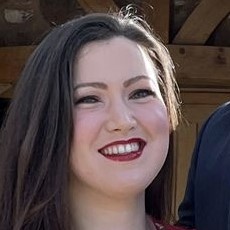
Emily presented results of her MSc dissertation project which several the members of Aniridia Network took part in. She is very grateful to everyone who gave up their time to take part in the explorative study which described for the first time some of the experiences, opinions and attitudes of aniridics towards internet and social media use.
Emily Sterling recently finished her MSc in Genetic and Genomic Counselling at Cardiff University. During my final year she was very lucky to work with Aniridia Network to recruit participants for my dissertation project. She has previously worked in a busy ophthalmology department as an imaging technician and has been working as a genomic associate in the north west over the past year.
Aniridia Network Annual General Meeting

Presentation of the annual report, accounts and trustee election results by Katie, Andy & James, the Aniridia Network trustees
Looking backwards and forwards
The careers and observations of Veronica van Heyningen & Tony Moore, the Aniridia Network Patrons. Veronica was also presented with a Lifetime Achievement Awarded.
Four steps forward, two steps back …?

About a person, the core values of Focus Birmingham and breaking down stereotypes of the benefits system. What this individual had to endure on their sight loss journey.
Permjit Bhachu is Information, Advice & Guidance Coordinator at the charity.






 Aniridia Network
Pingback: Further sight loss with aniridia research: participants wanted | Aniridia Network
Pingback: ‘Knowing that you’re not on your own’: Research into internet use by people with aniridia | Aniridia Network
Pingback: Lifetime achievement award for Veronica | Aniridia Network
Pingback: Natural history of aniridia: a genotype-phenotype study of 86 aniridia patients with PAX6 mutations | Aniridia Network
Pingback: Amlexanox rescues PAX6 levels in aniridia stem cell-derived models | Aniridia Network
Pingback: Lives with Aniridia & Auditory Processing Disorder | Aniridia Network
Pingback: Living with Auditory Processing Disorder | Aniridia Network
Pingback: Four steps forward, two steps back …? | Aniridia Network
Pingback: September 2024 Favourites – Well Eye Never