
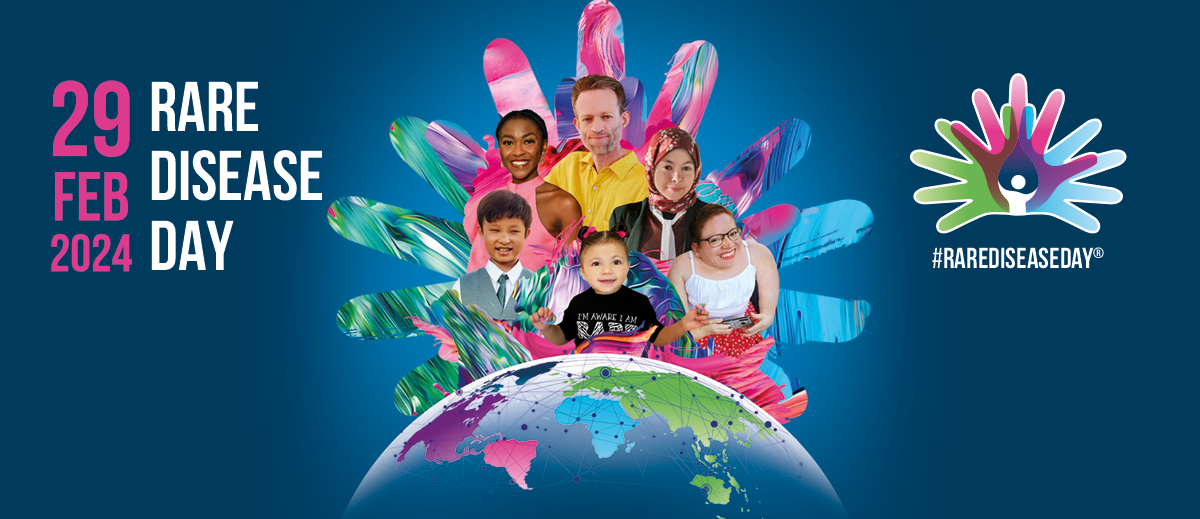
300 million people worldwide are living with a rare disease, including 3.5 million (1.6%) in the UK. There are over 7,000 rare diseases, one of these being aniridia. February 29 is Rare Disease Day, a time to raise awareness and bring light to these people and conditions.
What is aniridia?
Aniridia means the partial or full absence of the iris, which is the coloured part of the eye. It is a genetic defect affecting around 1 in 47,000 people. This is why aniridia is classed as a rare disease
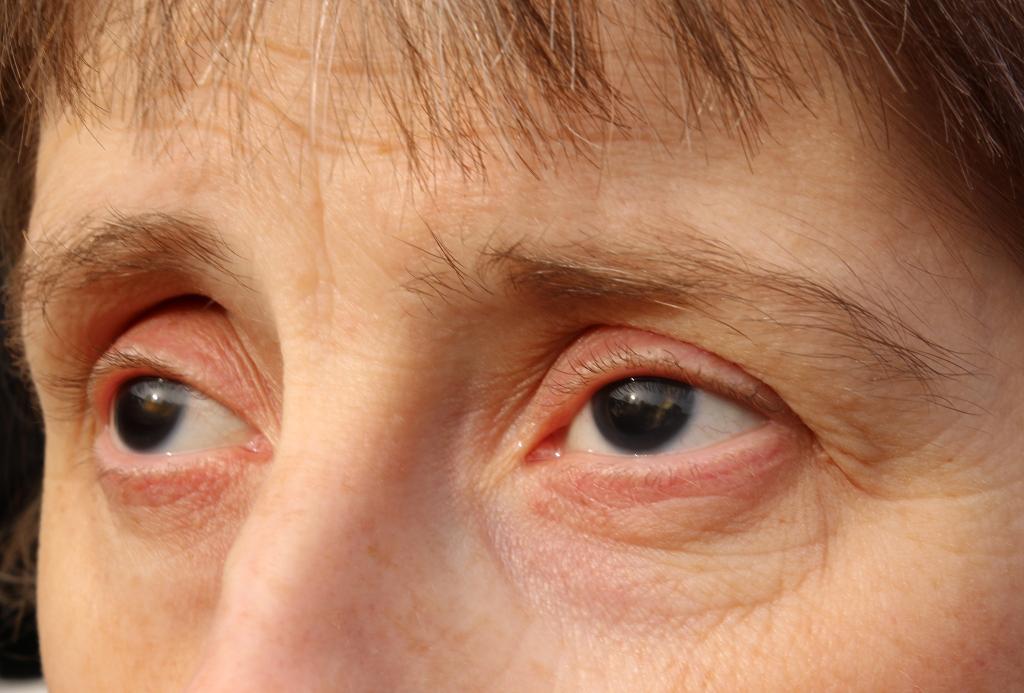
People with aniridia are usually visually impaired and often have a variety of other eye conditions too, including; nystagmus, cataracts, glaucoma, dry eye, photophobia, strabismus, keratopathy, ptosis and auditory processing disorder. Find out more about the associated conditions or at Gene.Vision.
What is Rare Disease Day?
Every year, 28 or 29 February is dedicated to raising awareness for those living with rare diseases worldwide. But it is also the start of a global movement for people to step into the light and share their stories of living with a rare disease. There are multiple campaigns to raise even more awareness. One of the biggest is Voices from across the world, which involves more than 80 people from different countries sharing there story in one video.
Another campaign, is Share your colours. This involves things like meet ups, share your story, educate and Light Up For Rare . Use #RareDiseaseDay on social media.
There is more information on what you can do on the Rare Disease Day website and social media:
What is Aniridia Network doing for Rare Disease Day?
We are holding meet ups in London, Birmingham, Reading and Cambridge to allow people with aniridiaand relatives to meet and talk to each other. Please join us.
We are also announcing that our next conference will take place on 27 July. Save this Aniridia Day and 21 June n your calendar.





 Aniridia Network